HELP CENTER
Frequently Asked Questions
Find answers to common questions about booking a safari with Sangare. We cover pricing, itineraries, safety, packing, visas, and travel documents.
Booking & Payments
Booking is simple: browse our safaris page, choose your preferred itinerary, and click "Book Now" or fill out our plan your trip form. You can also reach us directly via WhatsApp or email. Once we receive your inquiry, we'll send you a detailed proposal within 24 hours, including your personalized itinerary, pricing, and payment instructions.
We accept bank wire transfers (USD, EUR, GBP, KES), mobile money (M-Pesa), and credit cards via our secure Stripe payment link. For wire transfers, we provide our bank details with your booking confirmation. All prices are quoted in USD, but we can accept payment in other currencies at the current exchange rate.
A 30% deposit is required to confirm your booking. The remaining balance is due 45 days before your safari start date. Cancellations made 60+ days before departure receive a full refund minus a $100 administrative fee. Cancellations 30-59 days out receive a 50% refund. Within 30 days, no refund is available. We strongly recommend purchasing comprehensive travel insurance that covers trip cancellation.
Yes, we allow modifications up to 30 days before your safari start date, subject to availability. Changes to dates, destinations, or accommodation level may affect pricing. Additional guests can usually be added if the group size allows. Contact us as early as possible and we'll do our best to accommodate your changes.
Yes. For bookings made more than 90 days in advance, we offer a three-part payment plan: 30% deposit at booking, 30% at 60 days, and the remaining 40% at 30 days before departure. This makes it easier to plan your dream safari without paying everything upfront.
Our safaris typically include accommodation, meals as specified, game drives in 4x4 vehicles, park fees, and transfers from airstrips. Exact inclusions are listed on each safari page.
Yes, we offer family-friendly safaris with kid-friendly pacing and accommodations. Children under 3 are usually free, with reduced rates for ages 3-12.
Tipping is appreciated but not mandatory. A guideline is $10-20 per person per day for guides, shared among the group.
Safaris & Itineraries
Absolutely. Every safari we offer is a starting point. We regularly customize itineraries based on your interests, pace, budget, and special occasions. Want to add a hot air balloon ride over the Mara? Prefer to spend an extra day in Amboseli? Celebrating an anniversary? Just let us know and we'll build your perfect trip.
Kenya is a year-round destination, but each season offers something different: Jun–Oct (Dry Season) is best for wildlife viewing and the Great Migration crossing of the Mara River; Jan–Feb (Short Dry) offers excellent viewing with fewer crowds; Mar–May (Long Rains) brings lush landscapes, lower prices and baby animals; Nov–Dec (Short Rains) is great for birdwatching. We'll help you choose the perfect timing.
Our small-group safaris are limited to 6-8 travelers per vehicle. Each custom Toyota Land Cruiser seats 7 passengers with guaranteed window seats. For private safaris, you set the group size — from solo travelers to families of 12+. We never combine groups without your consent.
Extensions are easy to arrange. Popular add-ons include a beach stay in Zanzibar (3-5 days), a climb up Mount Kenya (2-3 days), a visit to Lake Turkana, or additional safari days in a different park. We recommend discussing extensions when you first book so we can secure the best availability and rates.
We offer three tiers: Luxury — five-star tented camps and lodges with en-suite bathrooms, plunge pools, fine dining, and spa services. Mid-Range — comfortable tented camps and lodges with private bathrooms and excellent locations. Budget — quality campsites and budget lodges with authentic bush experiences. All are hand-selected for location, service quality, and sustainability.
Our prices are based on double occupancy (two people sharing). Solo travelers can share with another traveler of the same gender (subject to availability) or pay a single supplement fee for a private room. The single supplement is typically 30-50% on top of the per-person rate.
All lodges cater to vegetarian, vegan, gluten-free, halal, kosher, and allergy-specific diets. Just let us know your requirements when booking. Kenyan cuisine is diverse — expect fresh tropical fruits, grilled meats, rice dishes, and locally grown vegetables. Packed lunches are available for full-day game drives.
Health & Safety
Yes. Kenya's national parks and conservancies are well-managed and have excellent safety records. Our guides are KPSGA (Kenya Professional Safari Guides Association) certified and trained in first aid, wildlife behavior, and emergency protocols. We operate in areas that meet international safety standards and maintain radio and satellite phone contact at all times.
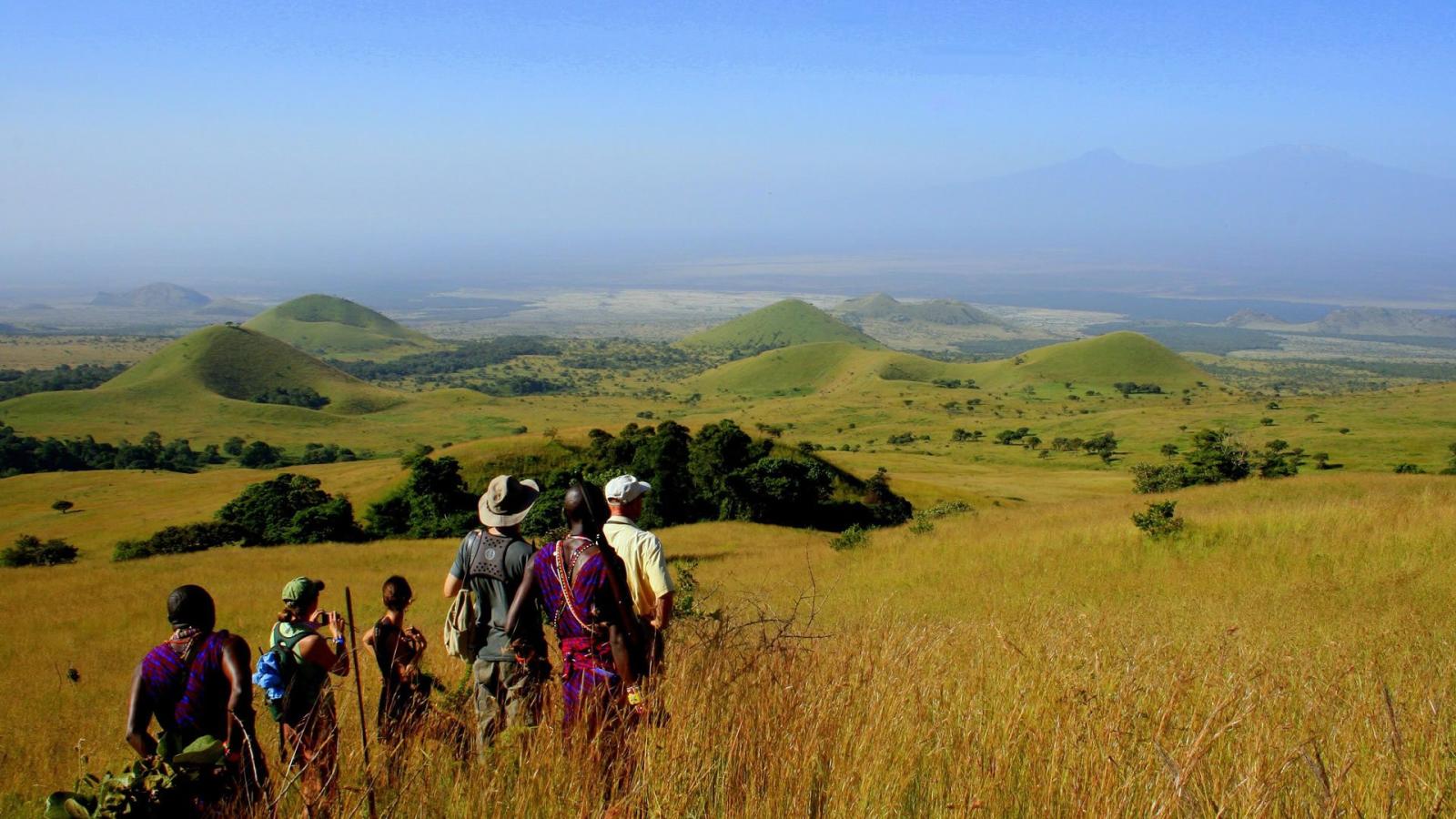
Walking safaris and bush walks are conducted only in private conservancies with experienced armed guides. You'll receive a thorough safety briefing before each walk. In national parks, all game viewing is from vehicles, which is the safest way to observe wildlife up close.
We strongly recommend comprehensive travel insurance that covers: trip cancellation/interruption, emergency medical evacuation (including helicopter), medical expenses abroad, and baggage loss. While we take every precaution, travel insurance provides peace of mind for the unexpected.
Every vehicle carries a first aid kit, fire extinguisher, satellite phone, and VHF radio. Our guides are wilderness first aid certified. We have relationships with AMREF Flying Doctors for emergency air evacuation. Lodges have on-site medical staff or proximity to medical facilities. We share your itinerary with our operations team who track your location throughout the safari.
Malaria is present in some parts of Kenya, including safari areas. We recommend consulting your travel doctor or a travel medicine clinic 6-8 weeks before departure. Common prophylactics include Malarone, Doxycycline, and Mefloquine. All our lodges provide mosquito nets and we supply insect repellent. At higher elevations (Nanyuki, Mount Kenya), malaria risk is minimal.
Kenya requires a Yellow Fever vaccination certificate if you're arriving from or transiting through a yellow fever endemic country. The WHO also recommends being up to date on Hepatitis A & B, Typhoid, Tetanus, and Polio. Always consult your healthcare provider for personalized advice.
Nanyuki sits at approximately 2,000m (6,500ft) on the equator. Most travelers acclimatize easily. If your itinerary includes Mount Kenya (up to 4,985m), we build in acclimatization days and monitor for symptoms. Symptoms of mild altitude sickness include headache, nausea, and fatigue — usually resolving within 1-2 days.
All lodges and camps provide bottled or purified water. We recommend drinking only sealed bottled water or water that has been treated. We include a reusable water bottle in your safari pack to reduce plastic waste.
In most cases, yes. Safari vehicles are comfortable and most activities are seated. Please inform us of any medical conditions, allergies, or mobility limitations at the time of booking so we can make appropriate arrangements. Lodges with wheelchair access are available in major parks.
Travel Preparation
Clothing: Neutral-colored layers (khaki, olive, tan), lightweight long sleeves and pants for sun/mosquito protection, a warm fleece or jacket, comfortable walking shoes, and a wide-brimmed hat. Essentials: Sunglasses, sunscreen SPF 50+, binoculars, camera with extra batteries, power bank, universal adapter, and a reusable water bottle. We provide: Insect repellent, first aid basics, and a detailed packing list with your booking confirmation.
For lodge-based safaris, there's no strict weight limit — you'll have a vehicle to carry your bags. For fly-in safaris, airlines typically allow 15-20kg (33-44lbs) in a soft-sided bag plus a small carry-on. We recommend packing in a soft duffel bag rather than a hard suitcase. Laundry services are available at most lodges, so you can pack light.
A versatile zoom lens (24-200mm or similar) covers most safari situations. For wildlife portraits, a 100-400mm lens is ideal. Bring extra batteries and multiple memory cards. A beanbag or window mount stabilizes shots from the vehicle. Smartphone cameras work well for landscapes.
Most travelers need a visa to enter Kenya. The easiest option is the eTA (Electronic Travel Authorization), which you can apply for online before departure. It costs $30 USD and is typically processed within 72 hours. Citizens of some countries are exempt. We provide invitation letters for your visa application if needed.
Carry the following at all times: valid passport (6+ months validity), printed eTA/visa confirmation, travel insurance documents, safari booking confirmation, yellow fever certificate (if applicable), and a copy of your itinerary. Keep digital copies in your email or cloud storage as backup. Your passport should have at least 2 blank pages for entry stamps.
Yes! A Kenya-Tanzania combination safari is very popular. You'll need visas for both countries. The East African Tourist Visa covers entry to Kenya, Uganda, and Rwanda. Tanzania has its own e-visa system. We handle cross-border logistics including park transfers, immigration, and coordinating between lodges. The Serengeti-Mara ecosystem spans both borders.
Still have questions? We're happy to help.
Contact Our Team