Best Time to Visit Kenya: Month by Month
There is no single best month. There is the right month for what you want to see. This guide breaks down seasons, crowds and prices so you can match your dates to the experience.
Kenya works year round. The difference is what is easier to see and how busy the parks are. Use this month by month breakdown to line up your interests with the season, then let us place you in the right camp for those dates.
January to March: dry and clear
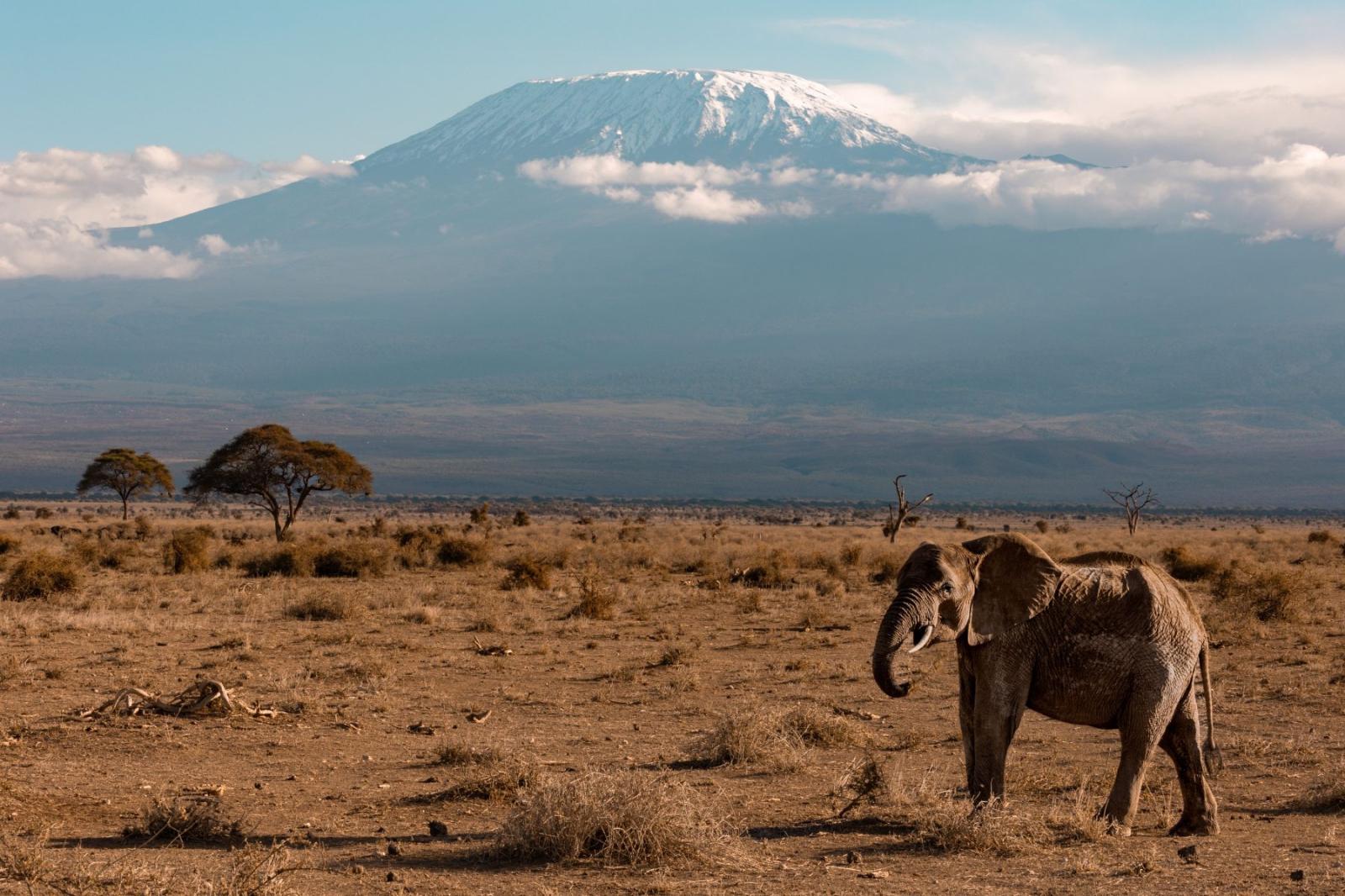
Expect hot days, cool mornings and short grass. Predators are easy to spot in the Mara and Amboseli, waterholes draw steady traffic, and the light is crisp for photography. It is a quiet time in the Mara, so you get longer sightings and lower rates. In Laikipia and Samburu, dry conditions push wildlife to rivers, which helps with northern species like Grevys zebra and reticulated giraffe. Birding is good as Palearctic migrants are still present until March.
April to May: long rains, green plains
April brings the long rains. Black cotton soil can be heavy, some tracks close, and afternoon showers are common. The upside is lush landscapes, dramatic skies and very few vehicles. Migratory birds are still around in early April, and the Mara has excellent resident game with active predators. Prices are at their lowest. If you can handle a little mud and a flexible schedule, May offers outstanding value before the season turns.
June: the shift
Rains ease, grass is green, and the first wildebeest arrive in the northern Serengeti. In Kenya, June is a sweet spot. Roads improve, the air is fresh, and the parks are not yet crowded. It is a strong month for combining the Mara with Laikipia or Amboseli without peak season pricing.
July to October: dry season and Mara River
The classic safari window. From July onward, the Mara fills with the migration. River crossings peak from late July to September. Days are dry and cool at night, game concentrates near water, and visibility is excellent. This is also the busiest period, so book river front camps 9 to 12 months ahead. If you want fewer vehicles, choose a private conservancy that limits beds per square kilometer and allows night drives.
November to December: short rains and return
Short rains in November are usually light and brief. The plains green up again, the light is soft, and the herds start moving south. You get a mix of Mara game and southern Serengeti build up, plus excellent birding as intra African migrants arrive. December is festive and busy over the holidays, but early November offers good availability and fair rates.
How to choose
Start with your non negotiable. If you want a Mara River crossing, aim for late July to September and allow three river days. If you want calving and big cats on short grass, aim for February to March in the south. If you want photography, birding and value, aim for late May to June or November. Tell us your exact dates and group type and we will map the right conservancy and the right light for what you want to photograph or watch.
What to expect on price and crowds
July to October and late December are high season with higher camp rates and tighter availability. Late May, June and November are low to shoulder season with better rates and more camp choice. April is the quietest. We price transparently by camp and season, with park fees, guiding and vehicle costs itemized so you see where your money goes.
Plan Your Safari Timing
Sangare Guided Safari helps you match your dates to the right parks and camps. We advise on seasons, light and crowds for your priorities. Contact us to get a seasonal plan tailored to you.
Related Articles
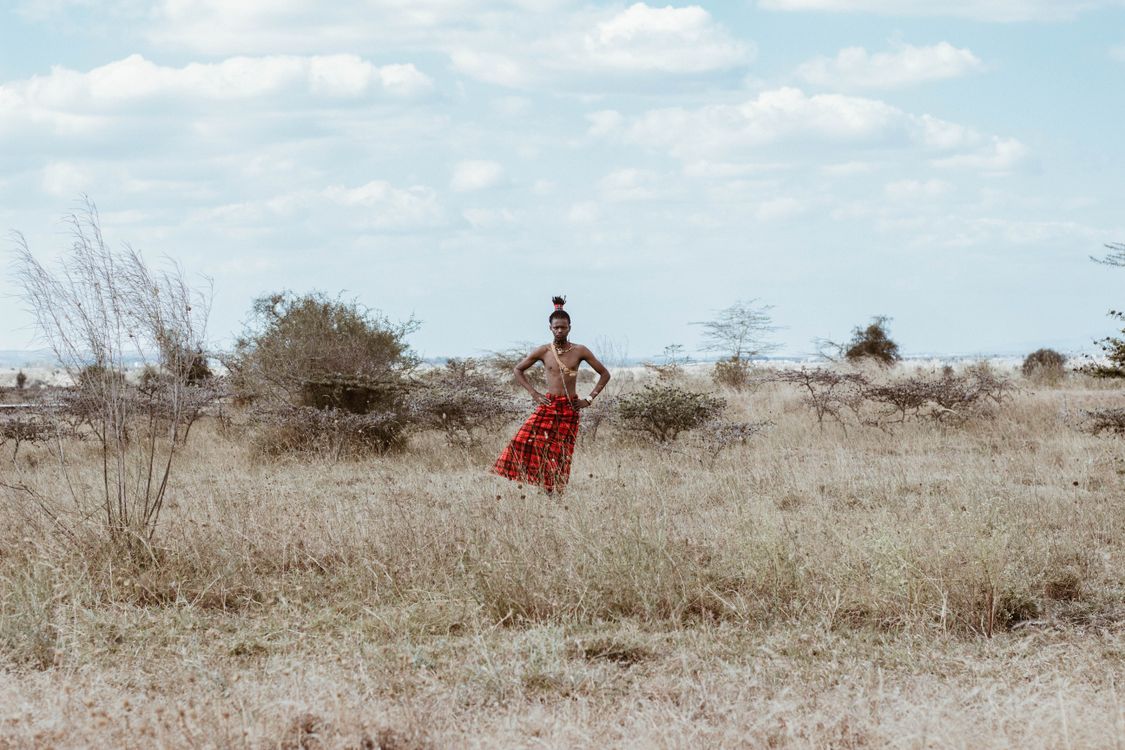
The Ultimate Safari Packing List: What to Bring and What to Leave Behind
Packing for an African safari balances practicality with comfort. From neutral-colored layers to camera gear, binoculars and sunscreen, here is our complete packing list based on years of guiding.
June 2025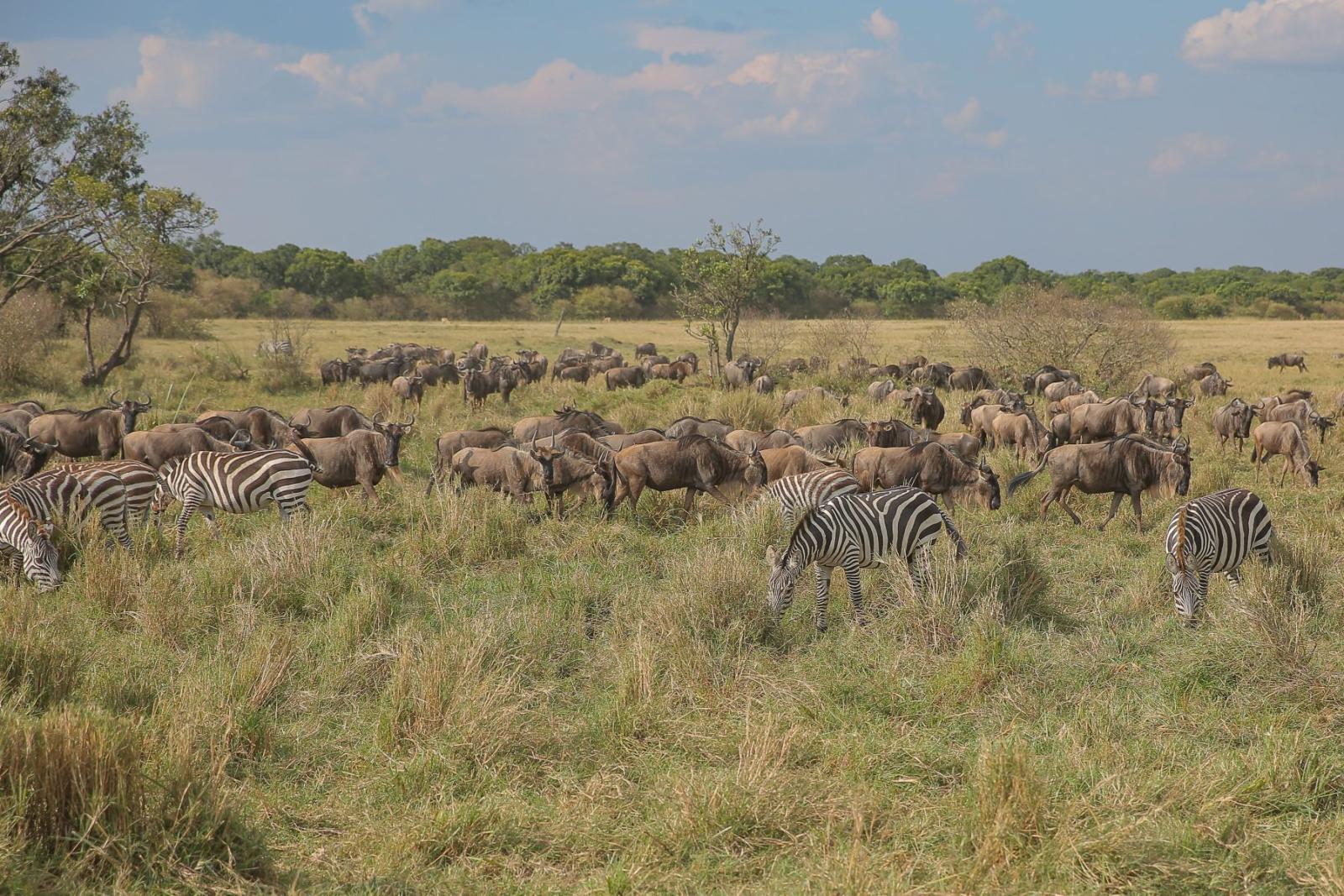
The Great Migration: A Complete Guide to Africa's Greatest Wildlife Spectacle
Over 1.5 million wildebeest, 200,000 zebras, and 500,000 gazelles follow an 1,800-mile circular journey every year. We break down the migration month by month and reveal the best strategies for witnessing river crossings, predator hunts, and calving season.
August 2025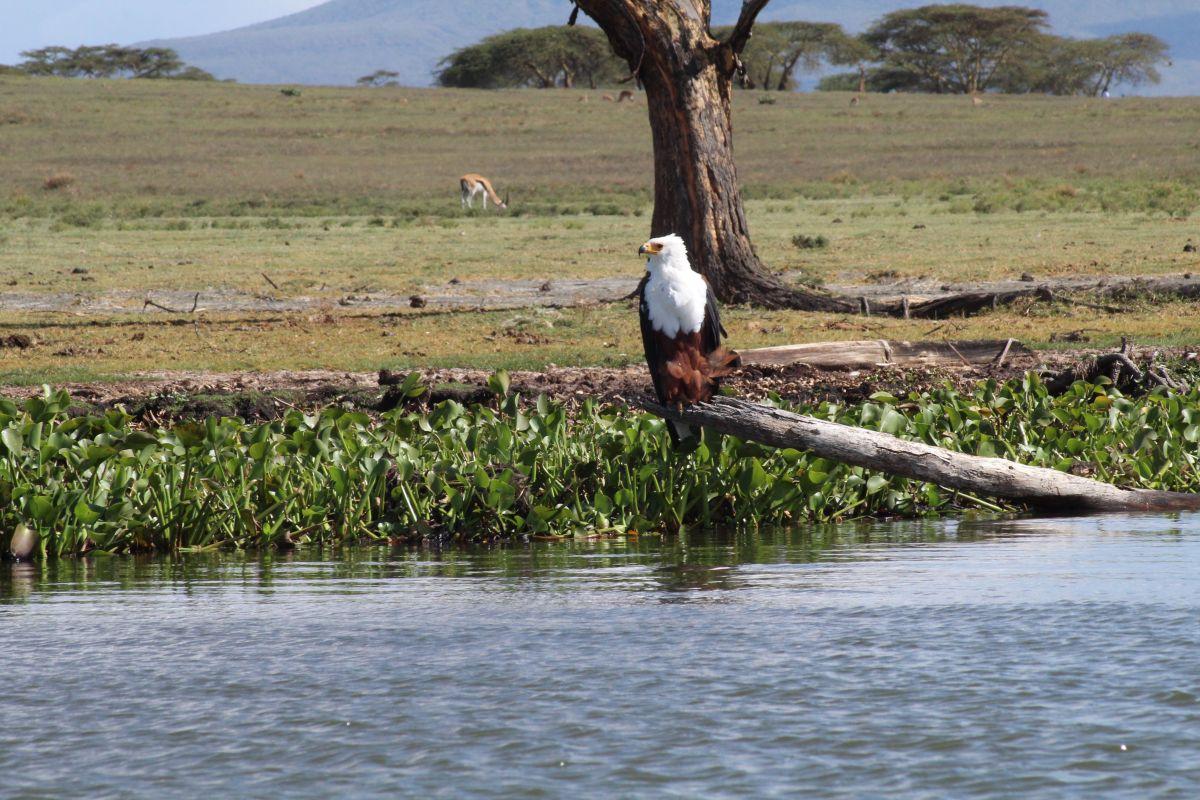
The Ultimate Birding Safari Guide to Kenya: 1,100 Species Waiting for You
Kenya hosts over 1,100 bird species, more than Europe and North America combined. From the flamingo-lined shores of Lake Nakuru to the arid endemics of Samburu, here is everything you need to plan a world-class birding safari.
July 2026