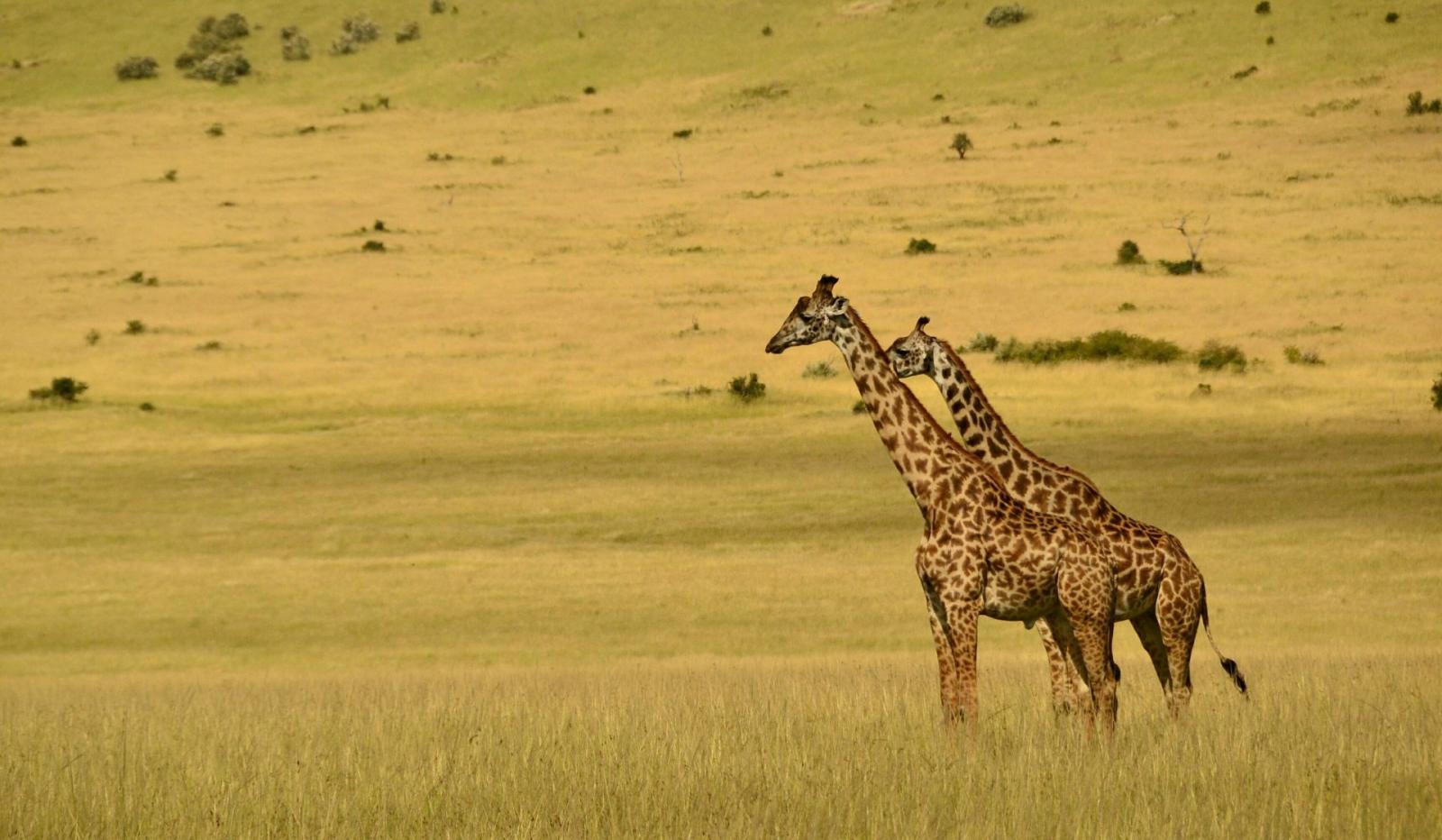
The Great Migration: A Complete Guide
More than 1.5 million wildebeest, plus zebra and gazelle, move in a yearly loop across the Serengeti and Mara. This guide explains where they are each month and how to time your safari to see the key moments.
The Great Migration is not a single event. It is a year round movement driven by rain and fresh grass. Wildebeest, zebra and Thompson's gazelle follow a clockwise loop of about 1,800 miles through Tanzania's Serengeti and Kenya's Maasai Mara. If you understand the cycle, you can choose the right month and the right camp for what you most want to see.
How the loop works
Herds spend the wet season in the southern Serengeti and Ndutu, move west and then north through the central and western Serengeti as the grass dries, cross into the Mara for the dry season, and return south with the short rains. The shape shifts a little each year with rainfall, but the direction stays the same.
River crossings happen where the herds meet water. The Grumeti in the western Serengeti and the Mara River on the Kenya Tanzania border are the two major crossing points. Crocodiles, strong currents and steep banks make each crossing a test, which is why predators gather nearby.
Month by month
January to March: calving in the south. Around 400,000 calves are born in the Ndutu and southern Serengeti plains. The short grass offers good visibility and the concentration of young animals draws cheetah, lion and hyena. This is a strong time for predator action and it is less crowded than the Mara season.
April to June: moving north and west. Long rains green the plains and the herds string out in long columns toward the central Serengeti and then to the Grumeti. Road conditions can be soft in April, but May and June bring excellent photography light and fewer vehicles.
July to October: Mara River season. Herds push into the northern Serengeti and the Mara. Crossings peak between late July and September. Mara River camps and conservancies like Mara North and Olare Motorogi give you the best access. Early July is good for first crossings, August and September for repeated attempts.
November to December: return south. Short rains pull the herds back through the eastern Serengeti toward Loliondo and Ndutu. The light is clear, the plains are green, and you get a quieter Mara combined with fresh grazing in the south.
River crossings in detail
A successful crossing needs a calm lead animal, a safe entry point and the right water level. Guides listen for the build up of calls, watch vultures circling and read pressure from lions behind the herd. You may wait hours at a crossing point and see only a false start, then watch 5,000 animals cross in fifteen minutes. A full day at the river with a packed lunch is the best approach, with a light aircraft or vehicle on standby for an afternoon move if the action shifts.
Where to stay for each stage
For calving: Ndutu and southern Serengeti mobile camps and lodges within 30 minutes of the plains. Mobile camps move with the herds, so you are never far.
For Grumeti: Lodges in the western corridor near the Grumeti River give short drives to crossing points from late May to July.
For Mara crossings: Camps inside conservancies bordering the Mara River offer the quickest access and fewer vehicles per sighting. Private conservancies also allow night drives and walking safaris between river waits.
For a combined route: Split 4 nights in the central or northern Serengeti with 3 nights in the Mara. Use a cross border itinerary or a light aircraft transfer if your dates span late July, when herds are most likely to be near the river.
How to choose your dates
Pick the moment you care about most. If calving and predator interaction is your priority, choose late January to mid March. If a Mara River crossing is non negotiable, choose mid July to late September and build in at least three river days. If you want green landscapes, low crowds and strong value, late May, June or November are excellent. Tell us your fixed dates and we will place you where the herds are most likely to be, not where a brochure says they should be.
Practical tips
Pack a warm layer for early mornings, a neutral window seat cover for dust, and a bean bag for your lens on the vehicle rail. For photography, keep your shutter above 1/1250 for crossing action and open up to let in light under riverine forest. A 200 to 600mm range covers most Mara and Serengeti distances. Our guides will position you upwind, keep a safe distance, and keep the engine off so the herd can commit to the water.
Migration safaris book early for July to September. Reserve your camp 9 to 12 months ahead for river front locations, or consider a mobile camp if permanent lodges are full. We can hold options for 24 hours while you review the plan.
Plan Your Migration Safari
Sangare Guided Safari places you at the right river at the right time. We track daily herd locations across the Serengeti and Mara and keep you mobile between conservancies. Contact us to design your custom migration itinerary.
Related Articles

Lake Nakuru's Flamingo Spectacle: Understanding Africa's Greatest Flock
Millions of flamingos transform Lake Nakuru into a shimmering pink sea. But why do they come, how long do they stay, and what makes this alkaline lake so irresistible to the world's largest bird flock? We explore the science and the spectacle.
July 2026
The Ultimate Safari Packing List: What to Bring and What to Leave Behind
Packing for an African safari balances practicality with comfort. From neutral-colored layers to camera gear, binoculars and sunscreen, here is our complete packing list based on years of guiding.
June 2025
The Ultimate Birding Safari Guide to Kenya: 1,100 Species Waiting for You
Kenya hosts over 1,100 bird species, more than Europe and North America combined. From the flamingo-lined shores of Lake Nakuru to the arid endemics of Samburu, here is everything you need to plan a world-class birding safari.
July 2026