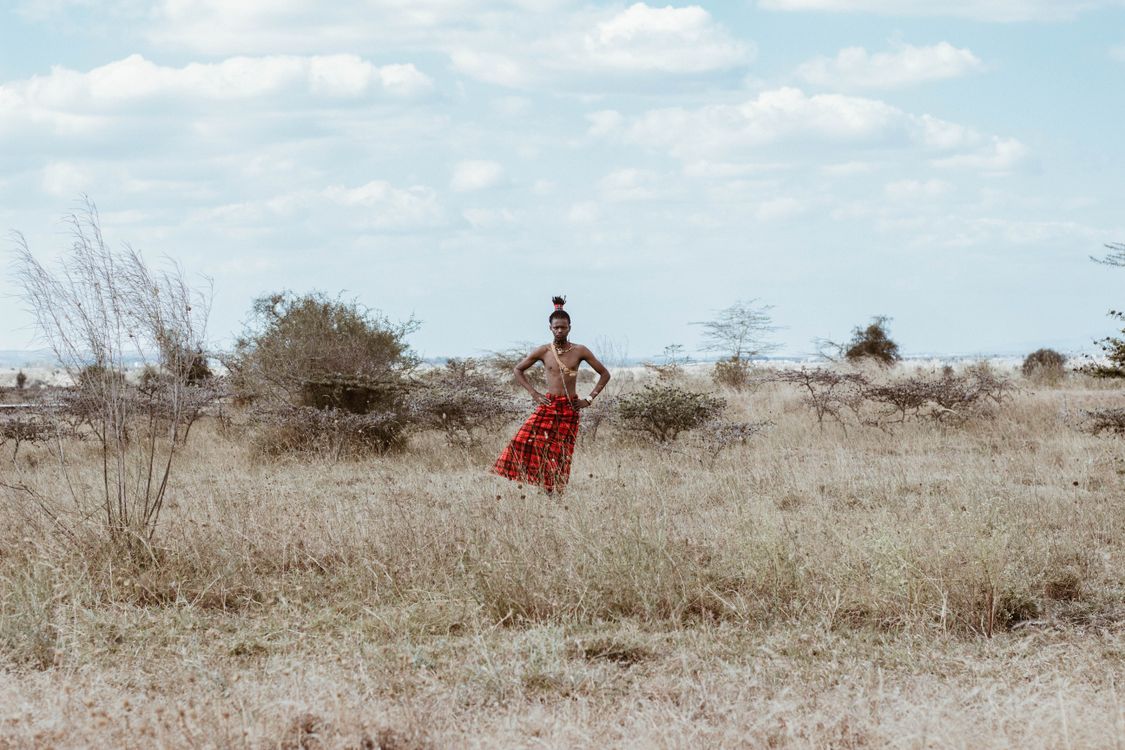
The Ultimate Safari Packing List
Pack light, pack neutral, and pack for dust, sun and cold mornings. This is the list our guides give to friends before a first safari.
A safari vehicle has limited space and small aircraft have strict baggage limits. The aim is versatile layers you can re wear, plus a few items that make a real difference in the field.
Clothing
Choose neutral tones: stone, olive, khaki and brown. Avoid black and navy in tsetse areas and avoid bright colors that stand out to animals. Pack three lightweight long sleeve shirts, two pairs of light trousers that convert to shorts, one fleece or soft shell for cold mornings, and a packable down layer for June to August. Laundry is daily in most camps, so you can re wear.
For women, a light scarf is useful for sun, dust and evenings. For everyone, a brimmed hat with retention cord and a buff for dust on game drives.
Footwear
Low, broken in hiking shoes or trail shoes for walking safaris and camp, plus sandals for down time. Avoid heavy boots unless you plan extended walks in rough terrain. White sneakers show dust quickly and black shoes attract heat, so go with mid tones.
Optics and photo
Binoculars matter more than a long lens. A good 8x42 pair will change your whole safari. For cameras, a 100 to 400 range covers most situations, but a 200 to 600 is ideal for birds. Bring two batteries and two cards, a bean bag to rest on the vehicle rail, a lens cloth for dust, and a dry bag for sudden showers. Power in camps is reliable but often on solar with limited evening hours, so carry a compact power bank.
Health and comfort
High SPF sunscreen, lip balm, insect repellent with DEET or picaridin, basic first aid, any personal medication plus copies of prescriptions, and antihistamines if you react to bites. A small headlamp is useful for early starts and moving around camp after lights out. Keep hand sanitizer and wet wipes within reach in the vehicle.
Hand luggage and documents
Keep passports, yellow fever cards if required, insurance details, and a printed itinerary with emergency contacts in hand luggage. Light aircraft limit is usually 15 kg in a soft bag. Put one full change of clothes, valuables and optics in your carry on in case checked baggage is delayed.
What to leave behind
Heavy denim, hard suitcases, single use plastics where possible, and strong perfumes. Most lodges provide water in reusable bottles, toiletries and a limited curated shop for forgotten items.
Plan Your Safari Preparation
Sangare Guided Safari sends a tailored packing list for your route, camps and aircraft limits. Our team checks laundry, power and weather for your exact dates. Contact us for your personal checklist.
Related Articles
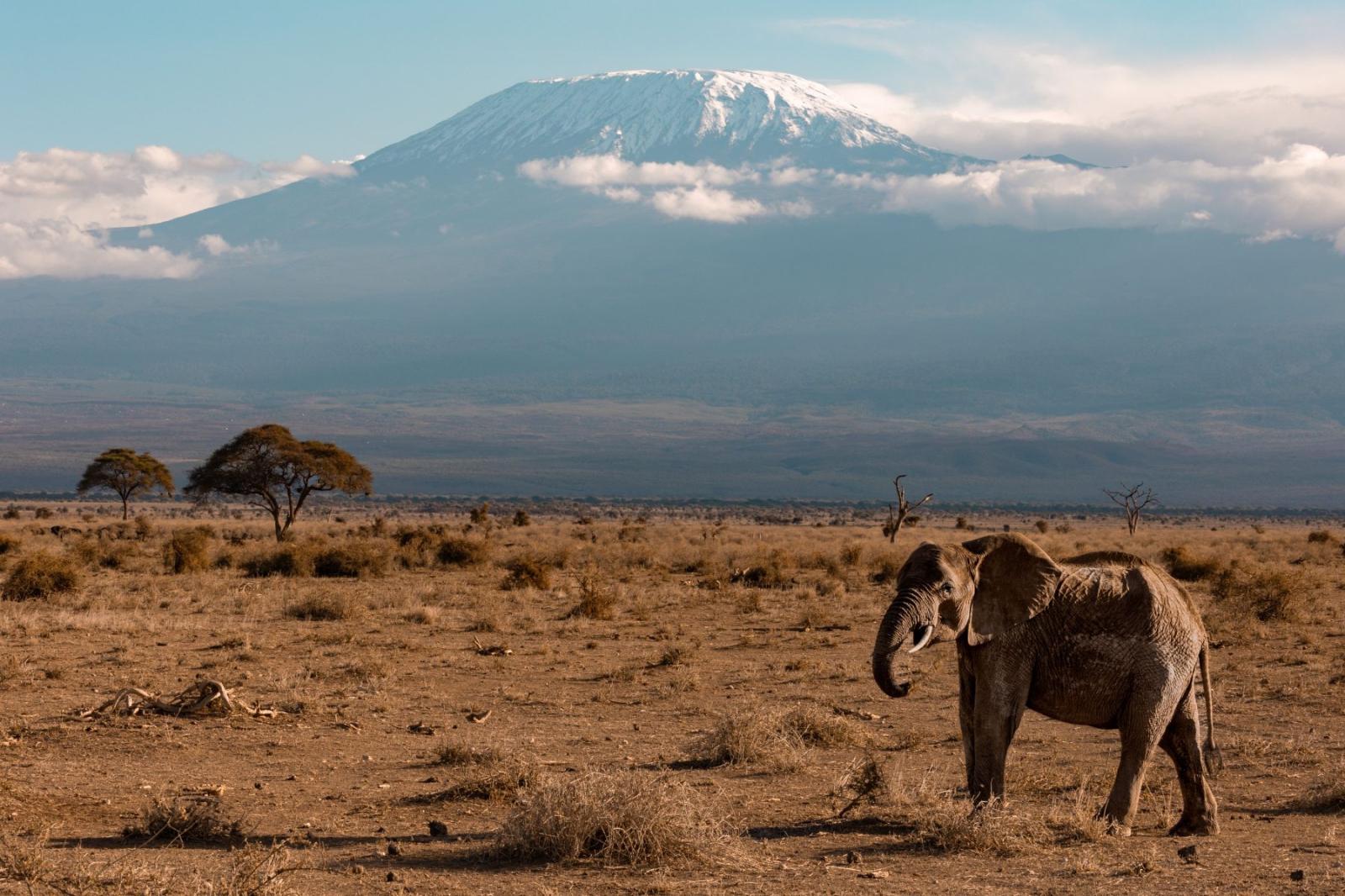
Best Time to Visit Kenya: Month-by-Month Safari Guide
Kenya is a year-round destination, but each season delivers dramatically different wildlife experiences. Our month-by-month breakdown of dry and green seasons helps you choose the perfect timing for your dream safari.
July 2025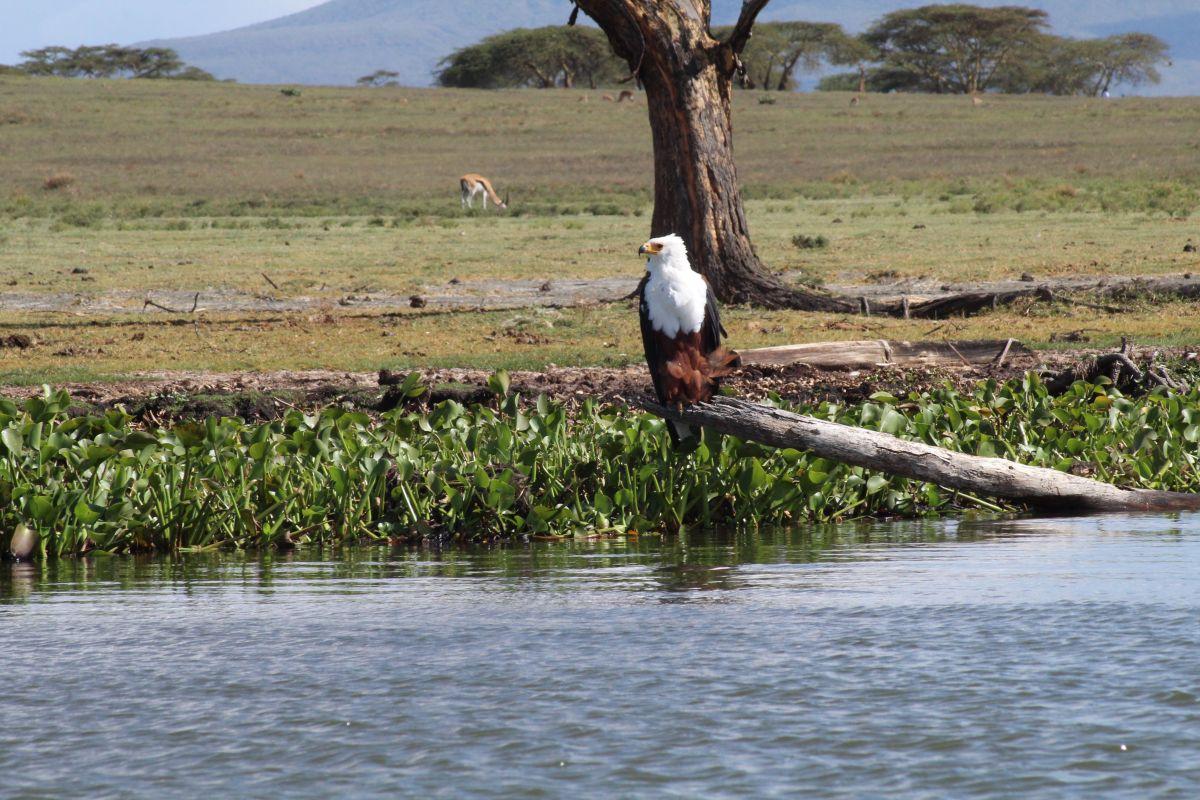
The Ultimate Birding Safari Guide to Kenya: 1,100 Species Waiting for You
Kenya hosts over 1,100 bird species, more than Europe and North America combined. From the flamingo-lined shores of Lake Nakuru to the arid endemics of Samburu, here is everything you need to plan a world-class birding safari.
July 2026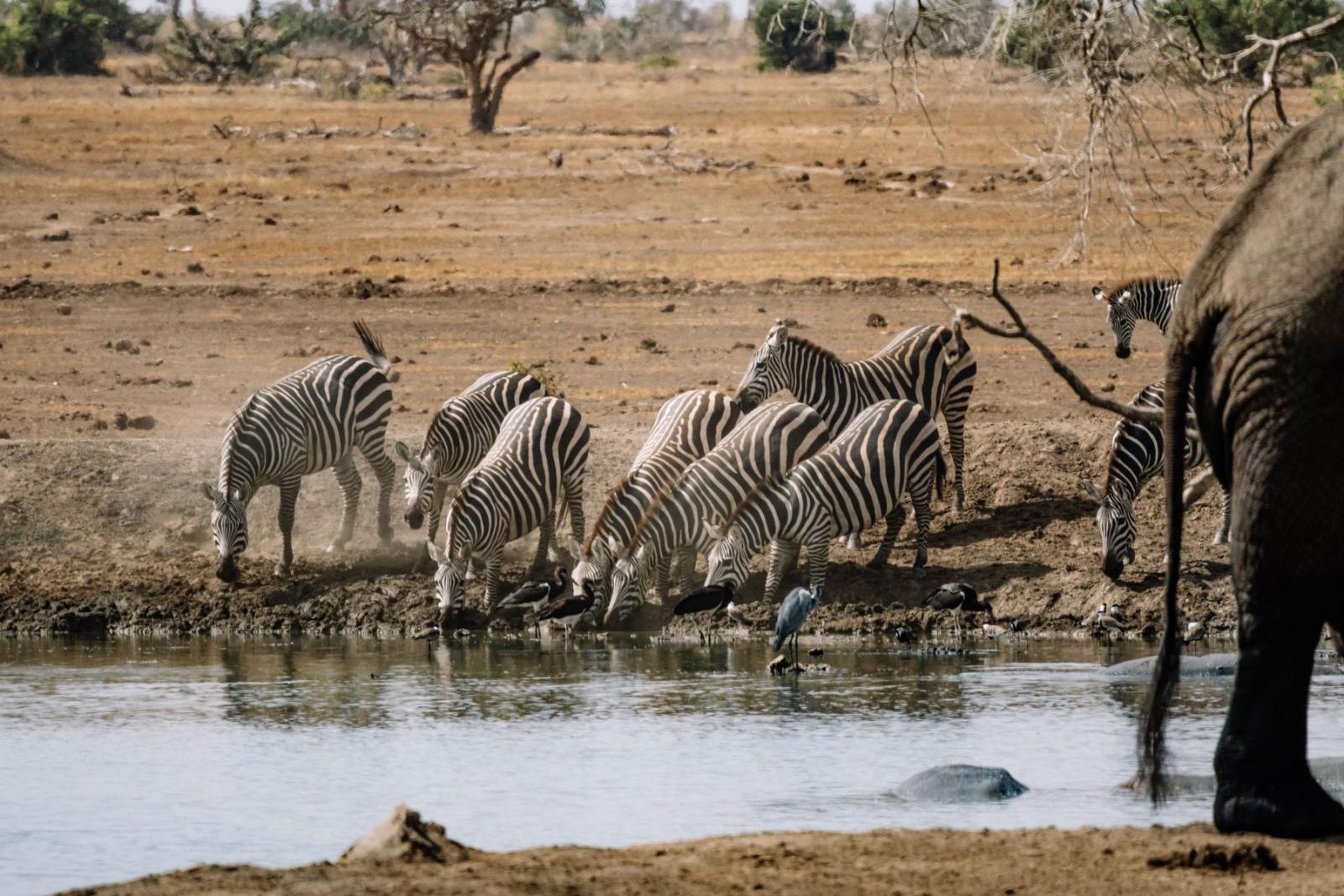
Safari Photography Guide: How to Capture Stunning Wildlife Images
Camera gear, settings, composition, and golden-hour tips from field guides to help you bring home frame-worthy wildlife shots.
August 2025