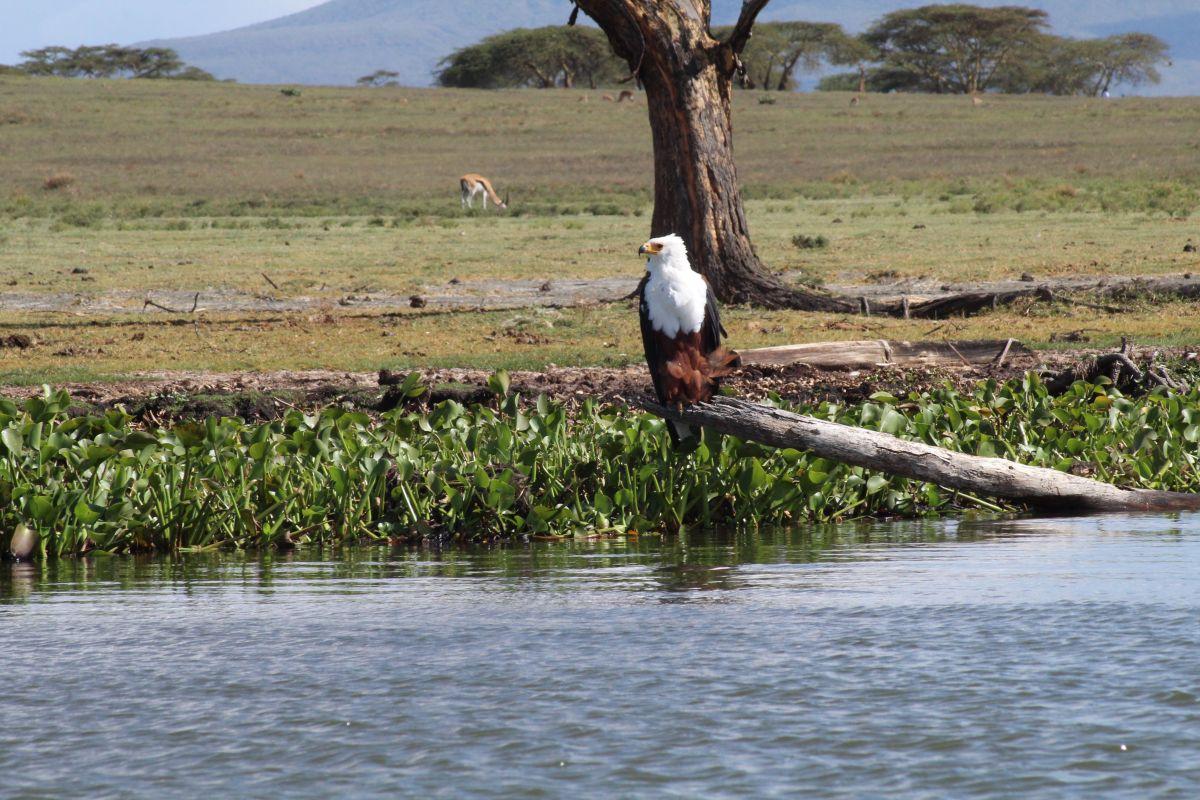
The Ultimate Birding Safari Guide to Kenya: 1,100 Species Waiting for You
Kenya hosts over 1,100 bird species, more than Europe and North America combined. From the flamingo-lined shores of Lake Nakuru to the arid endemics of Samburu, here is everything you need to plan a world-class birding safari.
Kenya is one of the planet's premier birding destinations. With over 1,100 recorded species — including more than 100 endemics and near-endemics — the country offers a birding experience that rivals anywhere on Earth. Whether you are a seasoned lifer chasing your 3,000th species or a curious traveller who has just discovered the joy of watching birds in the wild, Kenya delivers.
Why Kenya Is a Birder's Paradise
Kenya sits at a biogeographical crossroads. The country straddles the equator, spans sea level to over 5,000 metres, and contains everything from coral-coast forests to alpine moorlands, soda lakes to freshwater swamps, semi-arid scrub to montane rainforest. This extraordinary habitat diversity means bird families from different ecological niches coexist in close proximity.
The Great Rift Valley alone contains a chain of alkaline and freshwater lakes — Nakuru, Naivasha, Bogoria, Elementaita, Baringo — each hosting distinct avian communities. Flamingos blanket the soda lakes in shimmering pink curtains. Fish eagles patrol the freshwater shores. Waders, stilts, and avocets pick through the shallows. Pelicans, ibises, and storks gather in noisy breeding colonies.
Move north into Samburu and you enter a completely different birding world. The semi-arid bush hosts species found nowhere else in Kenya: Vulturine Guineafowl, Black-bellied Sunbird, Fischer's Starling, and the striking Somali Ostrich. The rocky kopjes shelter Eastern Yellow-billed Hornbills and Slate-coloured Sunbirds. The riverine forests along the Ewaso Ng'iro attract Palm Nut Vultures and African Grey Hornbills.
The Top Birding Destinations
Lake Nakuru National Park
Lake Nakuru is arguably Africa's most famous birding lake. The alkaline waters attract enormous flocks of Lesser and Greater Flamingos — sometimes numbering in the millions — creating a spectacle of pink that stretches across the horizon. But Nakuru is far more than flamingos.
The surrounding acacia woodland and rocky cliffs host over 450 recorded species. African Fish Eagles perch in the yellow-barked acacias along the shoreline. Verreaux's Eagles nest on the sheer cliff faces of Baboon Cliff. Secretary Birds stride through the grasslands, while Abyssinian Ground Hornbills forage in the undergrowth. The park's relatively small size (188 km²) means you can explore most of it in two or three full days of birding.
Key species: Lesser and Greater Flamingo, African Fish Eagle, Verreaux's Eagle, Secretary Bird, Abyssinian Ground Hornbill, Marabou Stork, Great White Pelican, Black-winged Stilt, Pied Avocet.
Samburu National Reserve
Samburu is Kenya's birding frontier. The semi-arid landscape, dominated by acacia bush, rocky hills, and the life-giving Ewaso Ng'iro River, supports a suite of species that cannot be found in the wetter parks to the south. This is where birders come to find the "Special Five" — Somali Ostrich, Grevy's Zebra, Beisa Oryx, Reticulated Giraffe, and Blue-necked Ostrich — alongside an extraordinary avian cast.
The riverine forests yield Palm Nut Vultures, African Scops Owls, and the beautiful Northern Grey Tit. The open bush hosts Vulturine Guineafowl in noisy flocks, Fischer's Starlings flashing their chestnut wings, and Black-bellied Sunbirds glinting in the light. The rocky kopjes are home to Slate-coloured Sunbirds, Trilling Cisticolas, and the spectacular Steel-blue Whydah in breeding plumage.
Key species: Vulturine Guineafowl, Fischer's Starling, Black-bellied Sunbird, Somali Ostrich, Palm Nut Vulture, Northern Grey Tit, William's Lark, Pygmy Batis.
Amboseli National Park
Amboseli is best known for its elephants silhouetted against Mount Kilimanjaro, but the park is also a superb birding destination with over 400 recorded species. The permanent swamps, fed by underground springs from Kilimanjaro, attract huge concentrations of waterbirds that thrive in the alkaline wetlands.
Yellow-billed Storks wade through the shallow swamps alongside Sacred Ibises and Pink-backed Pelicans. The open grasslands host Secretary Birds, Kori Bustards — Africa's heaviest flying birds — and the magnificent Maasai Ostrich. The acacia woodlands yield Beautiful Sunbirds, Yellow-fronted Tinkerbirds, and Grey-crowned Cranes.
Key species: Yellow-billed Stork, Sacred Ibis, Pink-backed Pelican, Kori Bustard, Secretary Bird, Grey-crowned Crane, Beautiful Sunbird, White-bellied Go-away-bird.
The Rift Valley Lakes
Beyond Nakuru, the Rift Valley chain offers distinct birding experiences at each lake. Lake Bogoria hosts the most spectacular flamingo gatherings — at times exceeding a million birds — along with Hot Spring Plovers found nowhere else. Lake Baringo, a freshwater lake, attracts Hammerkops, Pied Kingfishers, and the rare Goliath Heron. Lake Naivasha supports a rich diversity of waterbirds including African Fish Eagles, Malachite Kingfishers, and White-fronted Bee-eaters.
When to Go: Seasonal Birding Calendar
Kenya is a year-round birding destination, but timing your visit to coincide with specific events can dramatically enhance your experience.
October to April is the optimal window for birding. This period brings Palearctic migrants — European swallows, storks, and raptors — that double the species count at many locations. Breeding plumage is at its peak, making identification easier and photography more rewarding. The flamingo populations at the Rift Valley lakes are typically at their largest during this period.
June to September (the dry season) offers excellent birding in Samburu and other northern parks. Lower water levels concentrate birds around remaining water sources, making them easier to find. The dry bush is also easier to navigate, and raptors are highly active during this period.
April to May (the long rains) brings breeding activity for many resident species. Forest birds are particularly active, and the lush vegetation creates beautiful photographic conditions. However, some roads become impassable and malaria risk increases.
Essential Gear for Birding Safaris
The right equipment makes an enormous difference to your birding experience. Here is what we recommend based on years of guiding:
- Binoculars — The single most important piece of gear. We recommend 8x42 or 10x42 models with good light-gathering ability. Brands like Swarovski, Zeiss, and Nikon offer excellent options at various price points.
- Spotting scope — Essential for viewing distant birds, especially at the Rift Valley lakes where flamingos may be hundreds of metres away. A 20-60x zoom scope on a sturdy tripod is ideal.
- Camera with telephoto lens — A 100-400mm zoom covers most birding photography situations. A 500mm or 600mm prime lens is preferred for serious bird photographers, though these are heavy and expensive.
- Field guide — "Birds of Kenya and Northern Tanzania" by Zimmerman, Turner, and Pearson is the definitive reference. The Roberts Bird Guide is another excellent option.
- Notebook and pen — Essential for recording sightings, particularly if you are building a life list.
Tips for Maximising Your Birding Safari
A few practical tips from our guiding team:
- Start early. Dawn is the most productive birding period. Birds are actively feeding and calling, the light is beautiful, and the bush is cool and quiet.
- Listen as well as look. Many species are more easily detected by call than by sight. Learn the common calls before your trip — even basic familiarity helps enormously.
- Go slowly. A slow drive with frequent stops is far more productive than covering distance quickly. Scan the canopy, the ground, and everything in between.
- Use a local guide. Kenyan birding guides know exactly where to find rare and endemic species. Their knowledge of local hotspots and seasonal movements is invaluable.
- Keep a list. Recording your sightings adds structure and excitement to the trip. Apps like eBird make it easy to log sightings and contribute to citizen science.
Combining Birding with Traditional Safari
One of Kenya's greatest strengths as a birding destination is that birding safaris naturally overlap with traditional wildlife viewing. A trip to Lake Nakuru delivers flamingos and fish eagles alongside lions, leopards, and rhinos. Samburu offers Vulturine Guineafowl alongside elephants and gerenuks. Amboseli combines wetland birding with some of the best elephant viewing in Africa. You do not have to choose between birds and mammals — Kenya gives you both.
Conservation and Responsible Birding
Kenya's bird diversity faces real threats. Habitat loss, pollution of the Rift Valley lakes, and climate change are all impacting bird populations. As birders, we can contribute to conservation by supporting responsible tour operators, reporting sightings to citizen science databases like eBird, and respecting sensitive habitats. Stay on designated paths, keep noise to a minimum near breeding colonies, and never use playback to lure birds from their territories during breeding season.
Plan Your Birding Safari
Sangare Guided Safari offers specialised birding itineraries to Lake Nakuru, Samburu, and Amboseli. Our expert birding guides hold ornithology qualifications and have collectively recorded over 800 Kenyan species. Contact us to design your custom birding adventure.
Plan Your Safari
Sangare Guided Safari offers tailored itineraries across Kenya and Tanzania. Our guides know the conservancies intimately and will build your trip around what you want to see. Contact us to design your custom adventure.
Related Articles

Birding Samburu: Finding the Special Five and Northern Endemics
Samburu's semi-arid bush harbours bird species found nowhere else in Kenya. From the spectacular Vulturine Guineafowl to Fischer's Starling and the Somali Ostrich, this is where birders find the northern endemics that make a Kenyan list truly complete.
July 2026
The Ultimate Safari Packing List: What to Bring and What to Leave Behind
Packing for an African safari balances practicality with comfort. From neutral-colored layers to camera gear, binoculars and sunscreen, here is our complete packing list based on years of guiding.
June 2025
Lake Nakuru's Flamingo Spectacle: Understanding Africa's Greatest Flock
Millions of flamingos transform Lake Nakuru into a shimmering pink sea. But why do they come, how long do they stay, and what makes this alkaline lake so irresistible to the world's largest bird flock? We explore the science and the spectacle.
July 2026