How to See the Big Five Well
Lion, leopard, elephant, buffalo and rhino each need a different approach. Here is how we track them and where your chances are highest.
The term Big Five comes from hunting, but on a photographic safari it means five very different animals that require different habitats and habits to find. A good plan covers all five without rushing the sightings you already have.
Lion
Lion favour open plains with reliable water and prey. In the Mara and Serengeti, look for them on kopjes and near river confluences in the early morning. Conservancies that limit vehicle numbers give you longer, calmer sightings. We often find them by listening for hyena whooping or watching vultures, then working back to the kill site.
Leopard
Leopard need cover. Riverine forest along the Talek and Mara rivers, lugga thickets in Samburu, and rocky outcrops in central Serengeti are reliable. The best time is late afternoon when they move to hunt. Look up as well as ahead. A dark shape on a branch or a twitching tail above the grass often gives them away. Keep the vehicle still and the engine off, and let them settle.
Elephant
Amboseli is famous for large herds with Kilimanjaro behind, especially at first light. Tsavo holds Kenya's largest single population and is strong for family groups crossing open plains. For close, relaxed viewing, community conservancies in Amboseli and Laikipia offer fewer vehicles per herd. Ask your guide to read ear and trunk signals so you know when to give space.
Buffalo
Buffalo form large herds in savanna and swamp edge. They supply sightings year round and support good lion activity nearby. Old bulls, often alone or in small bachelor groups, are more unpredictable, so guides keep a wider buffer and keep an exit clear.
Rhino
Rhino is the most restricted. For black rhino, try the Mara conservancies, Nairobi National Park and Lewa. For white rhino, Ol Pejeta is excellent with close, well managed sightings. Solio and Lake Nakuru are also reliable. Rhino viewing often includes strict approach rules and limited time at the sighting, which protects the animals and your view.
How to cover all five without ticking boxes
Stay at least three nights per area so you are not forced to chase a missing species. A classic 7 night route of Mara conservancy plus Amboseli plus Ol Pejeta or Lewa covers all five habitats in one loop. Tell us which species matters most to you and we will weight your time accordingly, rather than rushing each sighting.
Field etiquette
Stay on tracks unless your conservancy allows off road, keep voices low, and keep the vehicle at a respectful distance. The best sightings happen when animals decide to ignore you. Our guides will explain what to watch for so you can enjoy the behavior, not just the checklist.
Plan Your Big Five Safari
Sangare Guided Safari builds routes that give you the best chance for lion, leopard, elephant, buffalo and rhino without rushing sightings. Contact us to plan your Big Five itinerary.
Related Articles
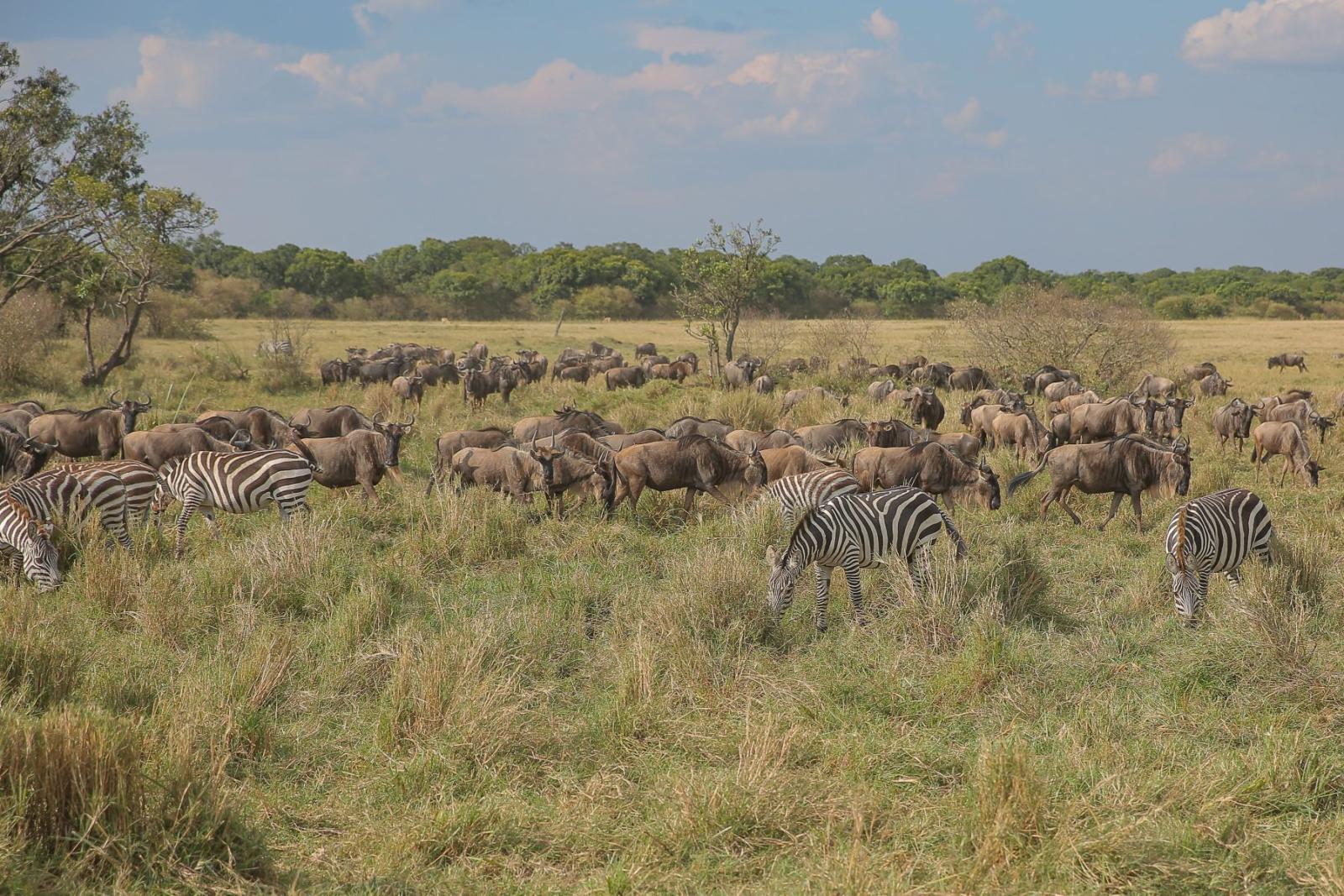
The Great Migration: A Complete Guide to Africa's Greatest Wildlife Spectacle
Over 1.5 million wildebeest, 200,000 zebras, and 500,000 gazelles follow an 1,800-mile circular journey every year. We break down the migration month by month and reveal the best strategies for witnessing river crossings, predator hunts, and calving season.
August 2025
Birding Samburu: Finding the Special Five and Northern Endemics
Samburu's semi-arid bush harbours bird species found nowhere else in Kenya. From the spectacular Vulturine Guineafowl to Fischer's Starling and the Somali Ostrich, this is where birders find the northern endemics that make a Kenyan list truly complete.
July 2026
Lake Nakuru's Flamingo Spectacle: Understanding Africa's Greatest Flock
Millions of flamingos transform Lake Nakuru into a shimmering pink sea. But why do they come, how long do they stay, and what makes this alkaline lake so irresistible to the world's largest bird flock? We explore the science and the spectacle.
July 2026