Safari Photography: A Practical Guide
You do not need the most expensive lens to get great images. You need good light, good positioning and a steady vehicle. This guide covers the basics that make the biggest difference.
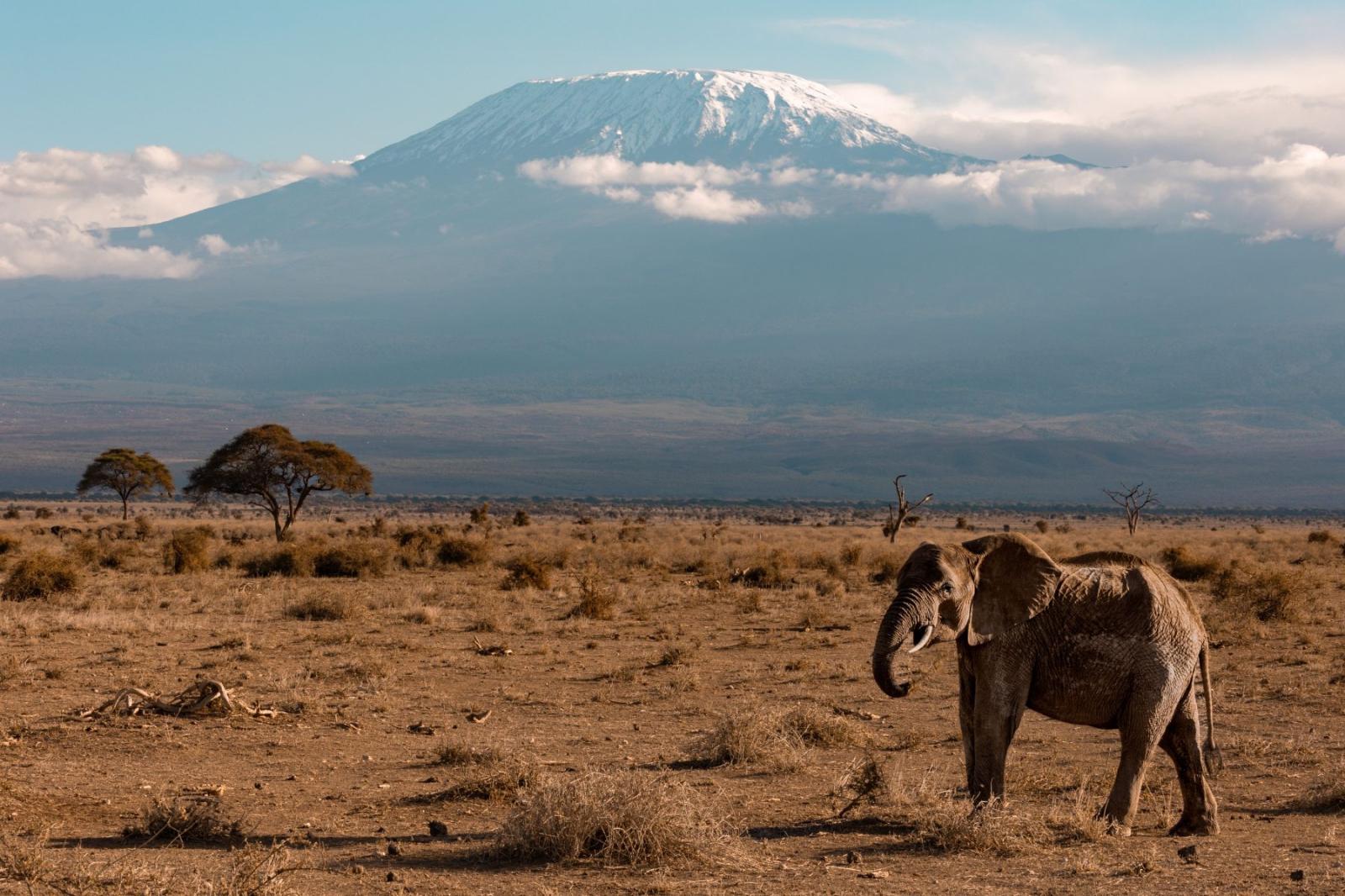
The best safari images are made before you press the shutter. Where you sit in the vehicle, how your guide positions for light, and how long you wait for behavior matter more than megapixels. Here is what to get right.
Gear that earns its weight
A 100 to 400mm zoom covers most Mara and Amboseli work. Add a 1.4 teleconverter if you photograph birds. For full frame, a second body with a 24 to 105 keeps you ready for landscapes and camp moments without changing lenses in dust. Bring two batteries, two cards, a bean bag for the vehicle rail, a rocket blower, and a packable rain cover. Power in camps is usually solar with evening charging windows, so a compact power bank helps.
Settings that work in the bush
Start with aperture priority at f7.1 for wildlife, auto ISO capped at 3200 to 6400 depending on your body, and shutter speed of 1/1250 for walking and 1/2000 for action or birds in flight. Use continuous autofocus and back button focus if your camera supports it. For early morning and river forest light, drop to 1/800 and let auto ISO do the work, rather than pushing underexposure you need to lift later.
Light and position
The first and last 90 minutes are the sweet spot. Front light gives clean color on hides and coats, back light gives rim light on dust and manes. Ask your guide to keep the sun at your shoulder or slightly behind the animal for depth. Get low by lowering the window and resting on the bean bag. Leave space in the frame where the animal is looking or moving. For crossings and hunts, switch to continuous burst and keep both eyes open to track the next subject.
Working with your guide and vehicle
Share your priorities at the start of each drive: birds, cats, landscapes, or general game. A good guide will stage the vehicle ahead of a moving herd, kill the engine, and angle for the cleanest background. Avoid shooting through heat shimmer in the midday, and be ready to turn quickly when birds flush or pups play. The most memorable images often come during quiet waiting periods, not during a chase.
On safari etiquette for photographers
Keep voices low, limit vehicle movement once positioned, and give way after a fair viewing period when other vehicles are waiting. In conservancies with off road permission, stay on firm ground and accept when a sighting needs space. A calm vehicle makes for calm animals, which is when behavior looks most natural.
Plan Your Photography Safari
Sangare Guided Safari positions you for light, background and behaviour, not just proximity. Private vehicle options and golden hour timing are standard. Contact us to design your photo focused adventure.
Related Articles

Lake Nakuru's Flamingo Spectacle: Understanding Africa's Greatest Flock
Millions of flamingos transform Lake Nakuru into a shimmering pink sea. But why do they come, how long do they stay, and what makes this alkaline lake so irresistible to the world's largest bird flock? We explore the science and the spectacle.
July 2026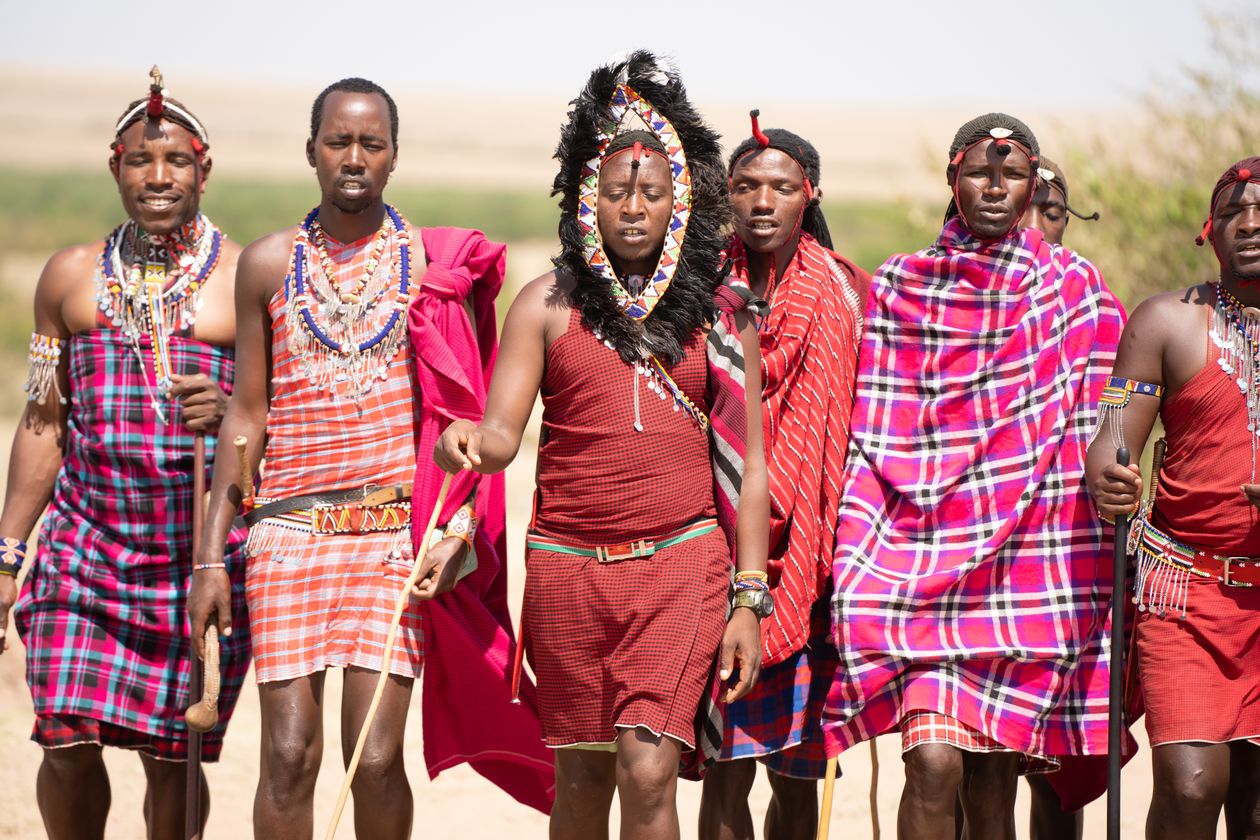
Understanding Maasai Culture: A Guide to Respectful Cultural Encounters
The Maasai have coexisted with wildlife for centuries. Learn about age-set systems, beadwork symbolism, and how to experience Maasai communities respectfully on your safari.
May 2025
Spotting the Big Five: Where and When to Find Africa's Iconic Animals
Lion, leopard, elephant, rhino and buffalo, where and when to spot each of the legendary Big Five across Kenya and Tanzania, plus expert tips for ticking off the full set.
September 2025