
Birding Samburu: Finding the Special Five and Northern Endemics
Samburu's semi-arid bush harbours bird species found nowhere else in Kenya. From the spectacular Vulturine Guineafowl to Fischer's Starling and the Somali Ostrich, this is where birders find the northern endemics that make a Kenyan list truly complete.
Samburu feels different from every other park in Kenya. The landscape is drier, the colours are harsher, the light is more intense. Red-dust plains stretch to rocky horizons. Ewaso Ng'iro River cuts through the bush, its banks lined with fever trees and palms. And in this seemingly inhospitable environment, a suite of bird species exists that cannot be found anywhere else in the country.
What Makes Samburu Special for Birders
Samburu sits in the transition zone between Kenya's wetter southern highlands and the arid lowlands stretching toward Somalia and Ethiopia. This biogeographical position means the reserve hosts species from both regions, with several that are endemic to the Horn of Africa. The combination of semi-arid bush, rocky kopjes, riverine forest, and open grasslands creates a mosaic of habitats within a relatively compact area.
The reserve's remoteness has also helped protect its avian diversity. Samburu receives fewer visitors than the Mara or Amboseli, and the bush remains largely undisturbed. This means bird populations are stable, territories are well-established, and the overall birding experience is quieter and more intimate than in the more popular parks.
The Special Five: Mammals and Birds Together
Samburu is famous for its "Special Five" — a group of mammals and birds found only in the northern Kenyan ecosystem. While three of the five are mammals (Grevy's Zebra, Beisa Oryx, and Reticulated Giraffe), two are birds that any birder would be thrilled to find:
Somali Ostrich (Struthio molybdophanes) — Recently split from the Common Ostrich, the Somali Ostrich is distinguished by its blue-grey neck and thighs (the Common Ostrich has pinkish skin). It prefers drier, bushier habitat than its cousin and is more difficult to spot. Look for it in the open bush between the river and the northern boundary of the reserve.
Blue-necked Ostrich — This is the East African subspecies of the Common Ostrich, but in Samburu it shares territory with the Somali Ostrich, creating a unique opportunity to compare both species side by side. The Blue-necked Ostrich has a pinkish-blue neck and is more commonly seen in open grasslands.
Top Birding Targets in Samburu
Vulturine Guineafowl
This is the bird that makes Samburu special for many visitors. Larger and more spectacular than its cousin the Helmeted Guineafowl, the Vulturine Guineafowl has a bare, blue-grey head and neck — hence the "vulturine" name — and striking white streaks on its dark plumage. It moves through the bush in noisy flocks of 15-25 birds, foraging on seeds, insects, and small reptiles.
The best places to find them are the open bush areas near the river, particularly around the Samburu Intrepids Camp area and the northern sector of the reserve. They are most active in the early morning and late afternoon, and their loud, cackling calls make them easy to locate even when hidden in the bush.
Fischer's Starling
This striking starling is a Samburu specialty. The male has glossy blue-black plumage with a pale eye, while the female is brown with white streaks. Fischer's Starlings are found in dry bush and scrub, often near termite mounds where they nest. They are noisy, conspicuous birds that travel in small family groups.
Look for them in the acacia bush along the river and in the rocky hillside areas. They are often seen perched on tops of bushes, calling loudly and displaying to each other. The best viewing is during the early morning feeding period when they are most active.
Black-bellied Sunbird
The male Black-bellied Sunbird is one of the most beautiful birds in Samburu. In breeding plumage, he has an iridescent green head and throat, a maroon breast, and a jet-black belly — a colour combination that seems almost too vivid to be real. The female is more subdued, with grey-brown plumage and a pale eyebrow stripe.
These sunbirds inhabit the flowering acacia bush, feeding on nectar and small insects. They are most easily found where flowering trees are in bloom, particularly along the river and in the camp gardens. Early morning is the best time to see them in full breeding plumage, when the light brings out the iridescent colours.
Palm Nut Vulture
Despite its name, the Palm Nut Vulture is not a true vulture — it is more closely related to hawks and eagles. This distinctive raptor has white plumage with black flight feathers, a red facial skin patch, and a yellow beak. It feeds primarily on the fruit of the oil palm, but in Samburu it has adapted to feed on a wider range of fruits and occasional small prey.
The best place to find Palm Nut Vultures is along the Ewaso Ng'iro River, where the palm trees provide both food and nesting sites. They are often seen perched in the tops of palms, scanning the river below. Look for them particularly in the riverine forest sections near the camp.
William's Lark
This scarce and localised lark is found in short-grass plains and bare ground areas. It has streaked brown plumage, a distinctive crest, and a beautiful, complex song that it delivers in flight. William's Lark is a true Samburu specialty — it is found in very few other locations in Kenya, making this reserve one of the best places to see it.
The Riverine Forest: A Different World
The Ewaso Ng'iro River creates a ribbon of green through the dry bush. The riverine forest along its banks supports a completely different bird community from the surrounding scrub. African Grey Hornbills boom from the canopy. Red-billed Hornbills flash through the understory. Purple Grenadiers and Black-capped Social Weavers build their elaborate nests in the fever trees. And the river itself hosts Pied Kingfishers, Giant Kingfishers, and malachite-coloured Malachite Kingfishers.
Walking along the riverbank is one of the most rewarding birding experiences in Samburu. The combination of water, shade, and dense vegetation attracts a concentration of species that is remarkable for such an arid environment. Our guides know the best stretches of river for different species, and a morning walk along the Ewaso Ng'iro can easily add 30-40 species to your trip list.
Night Birding in Samburu
Samburu's dry bush is home to several nocturnal species that are difficult to find elsewhere. African Scops Owls call from the riverine forest. Stripe-bellied Sandgrouse fly to water sources at dusk. And the rare Somali Long-billed Lark can sometimes be heard calling after dark. Night drives, where permitted, offer opportunities to find these elusive species.
Practical Tips for Birding Samburu
- Allow at least 3 full days. Samburu's bird diversity is concentrated across different habitats, and you need time to explore the river, the open bush, the rocky kopjes, and the grasslands.
- Hire a specialist birding guide. The northern endemics can be difficult to find without local knowledge. Our guides know exactly where to look for each target species.
- Carry plenty of water. Samburu is hot and dry. Temperatures regularly exceed 35°C, and dehydration is a real risk during long birding sessions.
- Wear neutral colours. The semi-arid bush is home to predators, and bright clothing can disturb both birds and mammals. Stick to khaki, olive, and tan.
- Listen for calls. Many Samburu specialties are more easily detected by sound than by sight. Fischer's Starling, Black-bellied Sunbird, and William's Lark all have distinctive calls that help locate them in the bush.
Bird Samburu with Expert Guides
Our Samburu Avian Frontier safari is a 3-day birding expedition designed to find all the northern endemics and Special Five. Our guides have recorded over 700 species in Samburu alone. View the itinerary or contact us to plan your birding adventure.
Plan Your Safari
Sangare Guided Safari offers tailored itineraries across Kenya and Tanzania. Our guides know the conservancies intimately and will build your trip around what you want to see. Contact us to design your custom adventure.
Related Articles
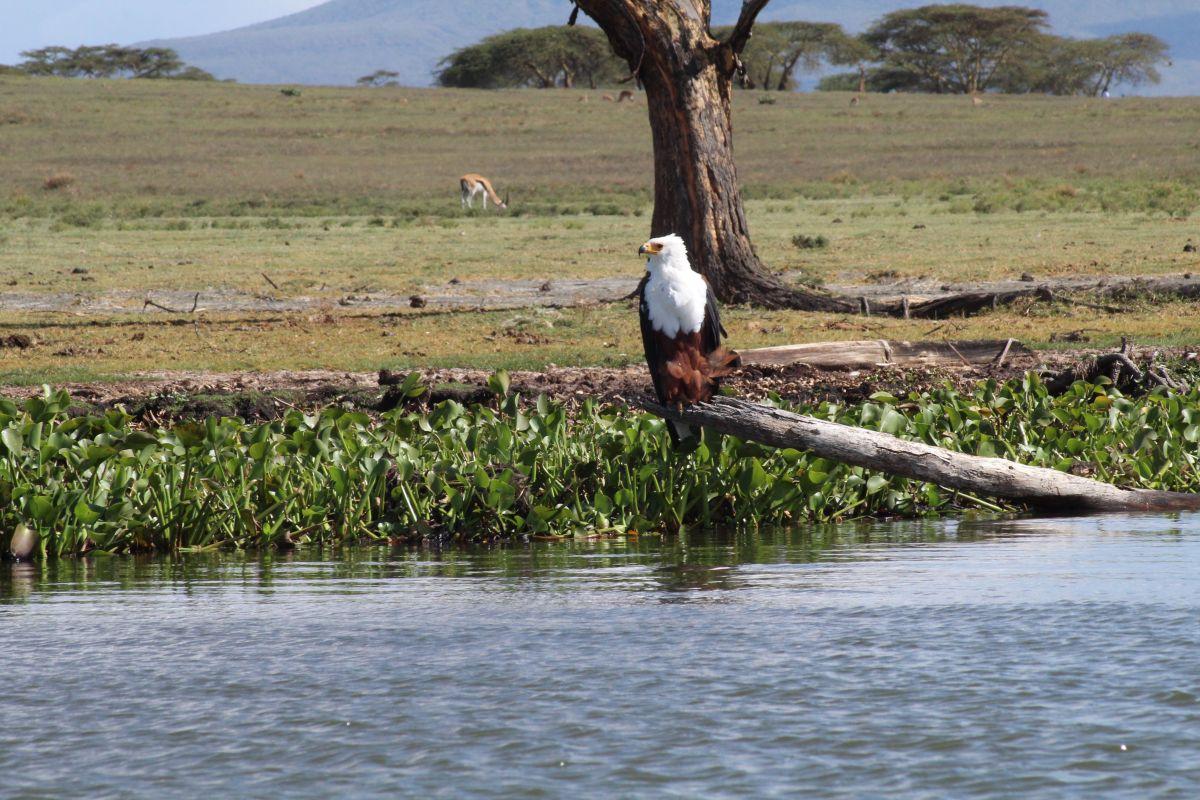
The Ultimate Birding Safari Guide to Kenya: 1,100 Species Waiting for You
Kenya hosts over 1,100 bird species, more than Europe and North America combined. From the flamingo-lined shores of Lake Nakuru to the arid endemics of Samburu, here is everything you need to plan a world-class birding safari.
July 2026
Best Time to Visit Kenya: Month-by-Month Safari Guide
Kenya is a year-round destination, but each season delivers dramatically different wildlife experiences. Our month-by-month breakdown of dry and green seasons helps you choose the perfect timing for your dream safari.
July 2025
Understanding Maasai Culture: A Guide to Respectful Cultural Encounters
The Maasai have coexisted with wildlife for centuries. Learn about age-set systems, beadwork symbolism, and how to experience Maasai communities respectfully on your safari.
May 2025