Maasai Culture and Wildlife
The best cultural visits feel like a conversation, not a performance. Here is how to engage with Maasai communities in a way that is respectful, useful and memorable.
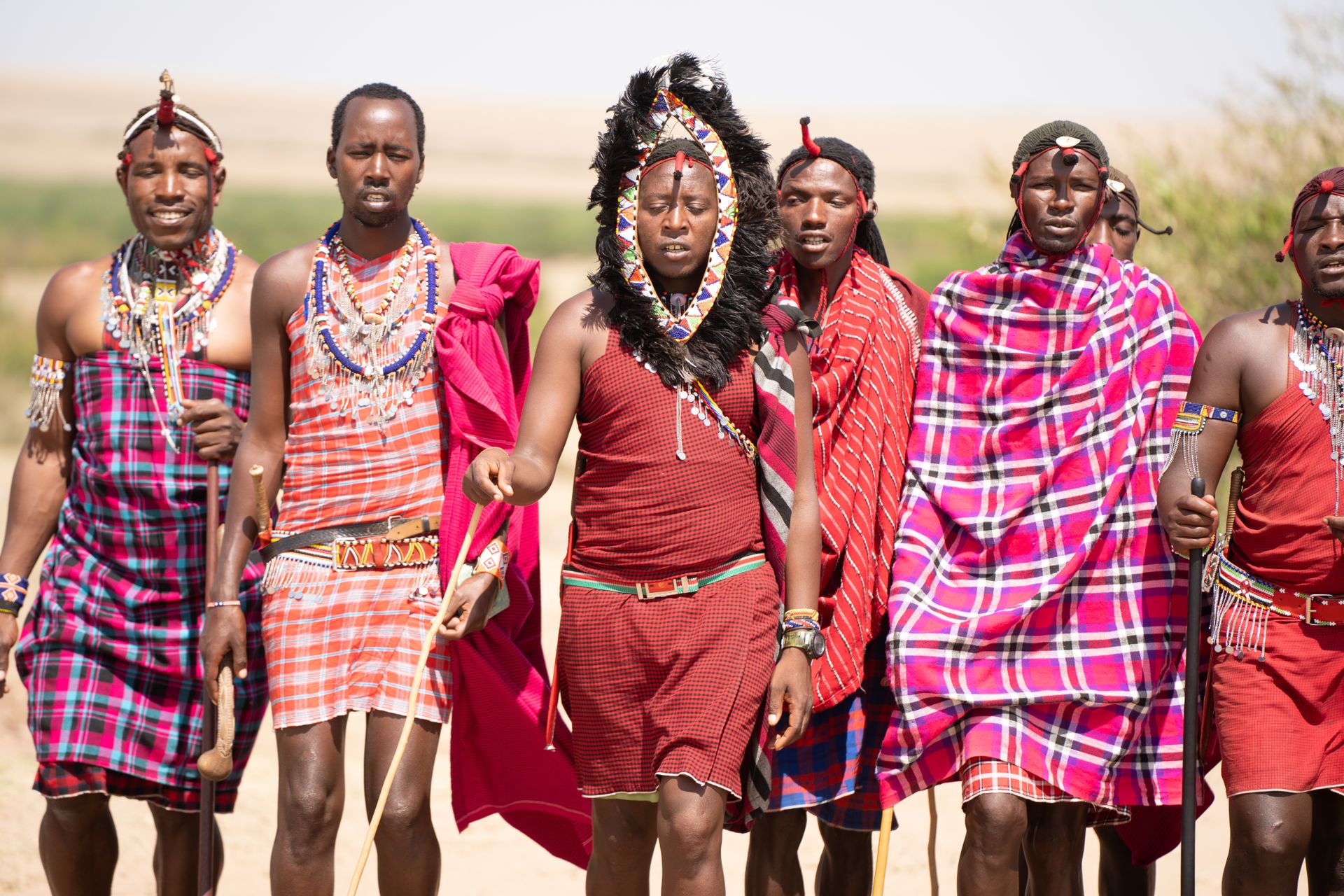
A safari that includes time with Maasai families adds context to everything you see in the bush. Grazing, water, fire and wildlife movements are all part of community life. When a visit is done well, your fees support education, health and conservation, and you leave with a clearer picture of how people and wildlife share the same landscape.
What a good village visit looks like
A respectful visit is small, unrushed and hosted by the community. You are welcomed into a manyatta, learn how the homestead is organized, hear about daily life and seasonal movement, and see beadwork and crafts at a fair price. Income should go directly to the hosting families, not through multiple intermediaries. We work only with villages and conservancy experiences that set visitor numbers and have clear consent for photography.
Walking with Maasai guides
Walking safaris led by Maasai guides are a highlight for many guests. On foot you notice tracks, plants, bird calls and wind direction that you miss from a vehicle. Guides read the ground, explain which animals passed and when, and position you safely for light and wind. This is not about covering distance, it is about reading the bush at its own pace. Carry water, sun protection and soft sole shoes, and plan for an early start before the day heats up.
Conservancies that link people and wildlife
Community conservancies around the Mara and in Laikipia lease land from families who set aside grazing areas for wildlife in return for reliable income. Tourism funds schools, clinics and livestock projects, while livestock and wildlife share the same rangeland. In these areas you can often go off road, do night drives and book a private vehicle, which also makes for quieter wildlife sightings.
How to be a good guest
Ask before photographing people, keep questions open ended, and buy directly from makers if you like the beadwork. A small group, one vehicle, and an hour of genuine interest is worth more than a large group with a tight schedule. If you are interested in a longer exchange, we can arrange school visits where permitted and visits to women led craft groups that reinvest profits locally.
When to add it to your itinerary
Allow a half day between game drives rather than squeezing a visit into a transfer. Morning visits after an early game drive, or late afternoon before sundowners, feel most natural. If you want depth, spend a night in a conservancy with a community camp, where evening talks and morning walks are part of the stay.
Plan Your Cultural Safari
Sangare Guided Safari arranges respectful community visits and conservancy stays that support local families. Our Maasai guides open doors that large groups cannot. Contact us to weave culture into your safari.
Related Articles
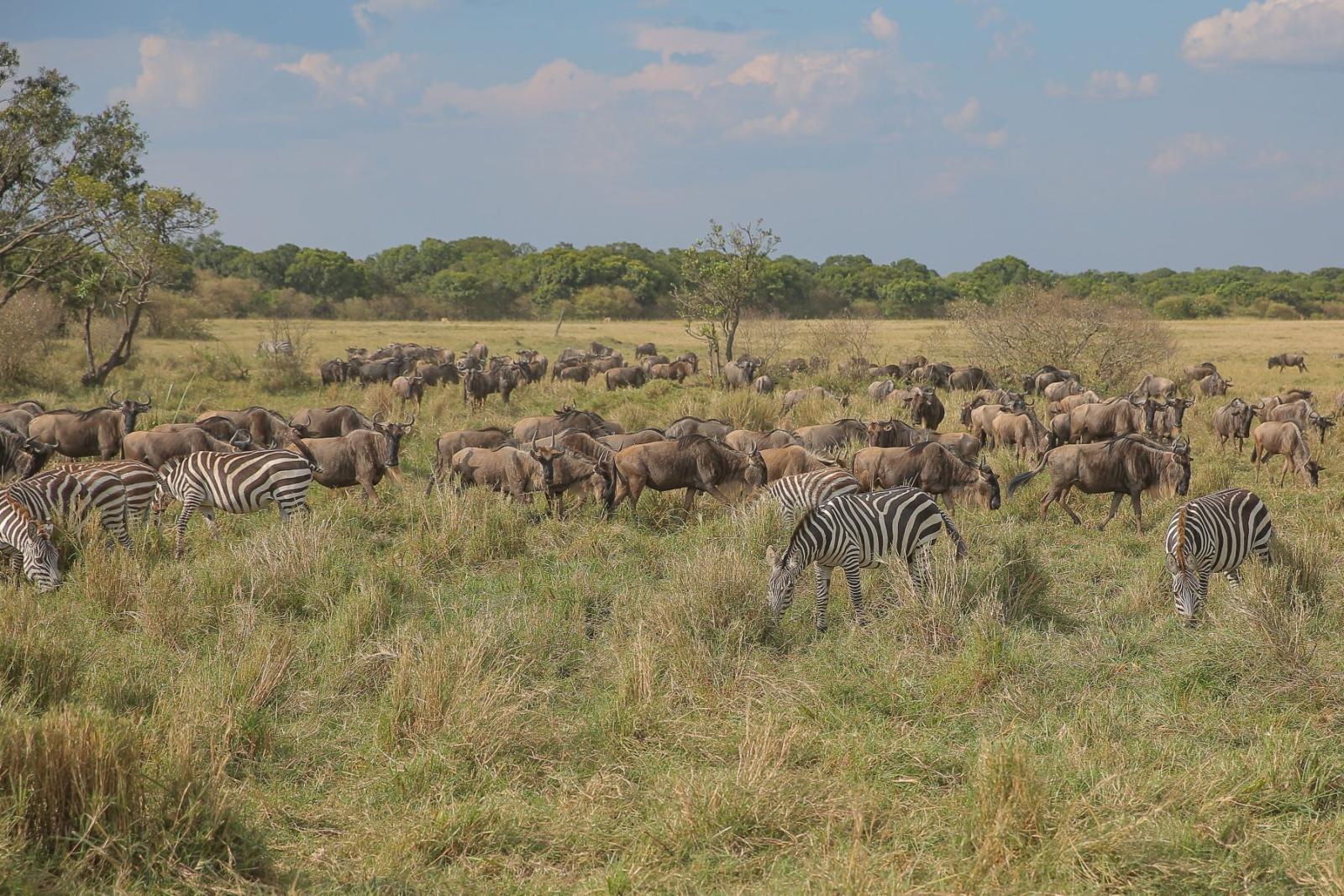
The Great Migration: A Complete Guide to Africa's Greatest Wildlife Spectacle
Over 1.5 million wildebeest, 200,000 zebras, and 500,000 gazelles follow an 1,800-mile circular journey every year. We break down the migration month by month and reveal the best strategies for witnessing river crossings, predator hunts, and calving season.
August 2025
Birding Samburu: Finding the Special Five and Northern Endemics
Samburu's semi-arid bush harbours bird species found nowhere else in Kenya. From the spectacular Vulturine Guineafowl to Fischer's Starling and the Somali Ostrich, this is where birders find the northern endemics that make a Kenyan list truly complete.
July 2026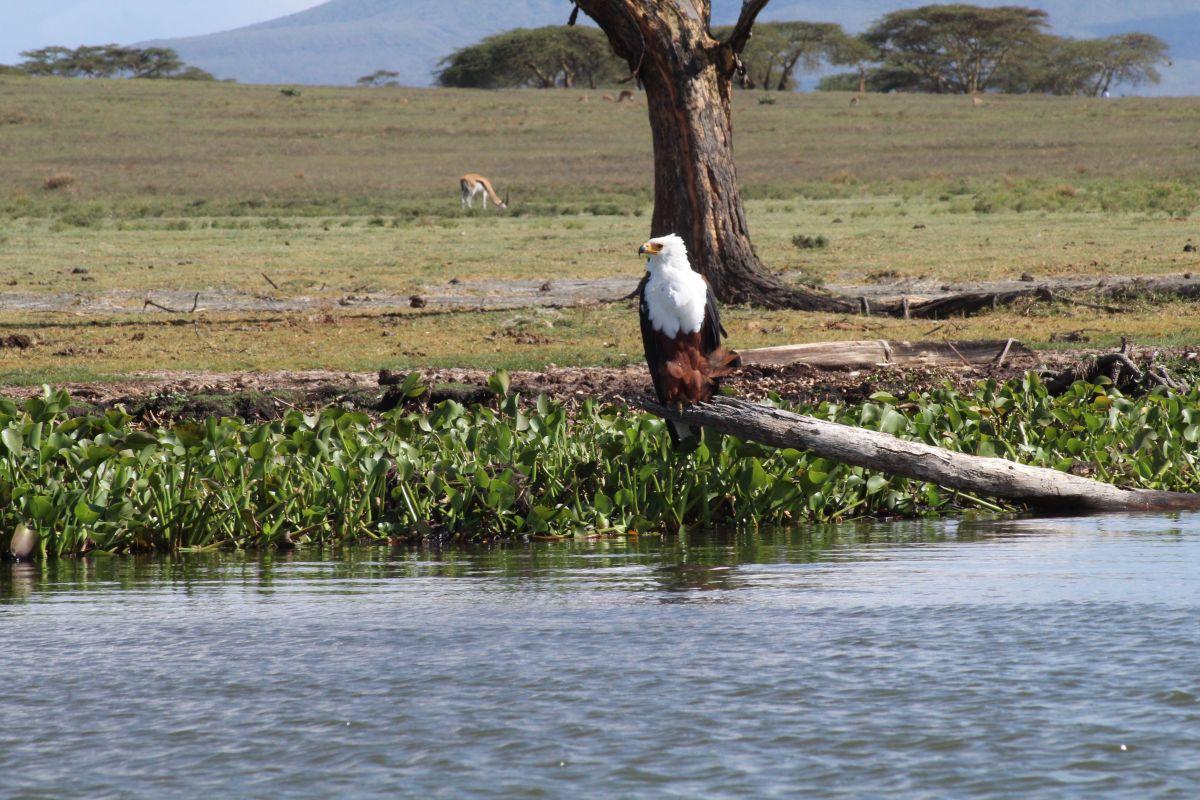
The Ultimate Birding Safari Guide to Kenya: 1,100 Species Waiting for You
Kenya hosts over 1,100 bird species, more than Europe and North America combined. From the flamingo-lined shores of Lake Nakuru to the arid endemics of Samburu, here is everything you need to plan a world-class birding safari.
July 2026