
Lake Nakuru's Flamingo Spectacle: Understanding Africa's Greatest Flock
Millions of flamingos transform Lake Nakuru into a shimmering pink sea. But why do they come, how long do they stay, and what makes this alkaline lake so irresistible to the world's largest bird flock? We explore the science and the spectacle.
There is a moment, just after dawn, when the light hits Lake Nakuru at just the right angle and the entire surface of the lake turns pink. Not a gentle blush — a deep, saturated rose that stretches from shore to shore. It is one of Africa's most extraordinary wildlife spectacles, and it is created by birds that weigh less than a bag of sugar.
The Science Behind the Pink
Flamingos are pink because of what they eat. Their diet consists primarily of spirulina algae and tiny brine shrimp — both rich in carotenoid pigments. As the birds filter-feed, these pigments accumulate in their feathers, skin, and beaks. A well-fed flamingo is a deep coral pink; a hungry one fades to pale salmon. The intensity of a flock's colour is therefore a direct indicator of the lake's food supply.
Lake Nakuru's alkaline chemistry creates ideal conditions for spirulina growth. The lake's pH regularly exceeds 10.5 — hostile to most aquatic life, but paradise for the blue-green algae that flamingos depend on. The combination of warm temperatures, high mineral content, and shallow water creates a natural algae factory that can support millions of birds simultaneously.
Greater vs Lesser Flamingos
Two flamingo species visit Lake Nakuru, and telling them apart is easier than you might think:
Lesser Flamingo (Phoeniconaias minor) is the smaller, more numerous species — and the one that creates the spectacular pink carpets. They have deep pink plumage, a dark red bill with a black tip, and pink legs. Lesser Flamingos feed almost exclusively on spirulina, filtering the algae through specially adapted lamellae in their bills. At Nakuru, they can number over a million individuals.
Greater Flamingo (Phoenicopterus roseus) is larger, paler, and less numerous. They have pale pink plumage, a pink bill with a black tip, and greyish legs. Greater Flamingos are less specialised feeders, consuming brine shrimp, insect larvae, and small crustaceans in addition to algae. They typically number in the tens of thousands at Nakuru, mixing with the much larger Lesser Flamingo flocks.
Why Nakuru? The Chemistry of Attraction
The Rift Valley lakes form a chain of alkaline and freshwater bodies, each with distinct chemistry. Flamingos are remarkably selective about which lakes they visit, and their choices are driven by water chemistry. Nakuru's high alkalinity and consistent spirulina production make it a reliable feeding ground. The lake's shallow depth — rarely exceeding a few metres — ensures that food sources are accessible to the filter-feeding flamingos.
But the flamingos do not stay permanently. They are nomadic, following food availability across the Rift Valley chain. When conditions at Nakuru deteriorate — due to rainfall diluting the alkalinity, or algae blooms crashing — the flocks move to Bogoria, Elementaita, or even Natron in Tanzania. Understanding this nomadic behaviour is key to predicting when the spectacular gatherings will occur.
Breeding and Social Behaviour
Flamingos are among the most social birds on Earth. They breed in colonies that can number in the hundreds of thousands, performing elaborate synchronized displays that involve head-flagging, wing-saluting, and synchronized marching. These displays serve to synchronize breeding across the colony, ensuring that chicks hatch when food availability is at its peak.
At Nakuru, breeding activity typically peaks between June and September, though this varies with environmental conditions. The birds build cone-shaped mud nests on the lake's alkaline flats, raising a single chick that is grey-white at hatching and takes about two months to fledge. During this period, both parents share feeding duties, producing a nutrient-rich "crop milk" to feed the growing chick.
Beyond Flamingos: Nakuru's Other Bird Stars
While flamingos dominate the visual spectacle, Lake Nakuru is home to over 450 bird species. The acacia woodlands surrounding the lake host African Fish Eagles — their haunting calls echoing across the water at dawn and dusk. Verreaux's Eagles nest on the sheer cliff faces of Baboon Cliff, while Giant Kingfishers perch on overhanging branches along the shoreline.
The lake's edges are alive with waders and shorebirds. Black-winged Stilts, Pied Avocets, and Kittlitz's Plovers pick through the shallows. Great White Pelicans and Pink-backed Pelicans dive for fish in the deeper sections. And the surrounding bush supports a rich community of woodland species including White-crested Helmet-Shrikes, Beautiful Sunbirds, and Abyssinian Ground Hornbills.
Photographing the Flamingos
Photographing flamingos at Nakuru is both rewarding and challenging. The sheer numbers create extraordinary compositional opportunities — a sea of pink stretching to the horizon, or the dynamic patterns created by thousands of birds in flight. Here are some tips from our guides:
- Shoot at dawn. The first light transforms the pink flock into a glowing carpet. Arrive at the lakeshore before sunrise for the best conditions.
- Use a telephoto lens. A 200-400mm zoom allows you to isolate individual birds or small groups within the massive flock.
- Try panning shots. Flamingos in flight create beautiful blurs of pink. Use a slow shutter speed (1/30s) and pan with the flying birds.
- Look for patterns. The repeating forms of thousands of identical birds create abstract patterns that are visually striking.
- Don't forget the details. Close-up shots of flamingo heads reveal the extraordinary filter-feeding mechanism and the vivid beak colouration.
Conservation Challenges
Lake Nakuru faces real conservation challenges. Pollution from surrounding agricultural areas, fluctuating water levels due to climate change, and periodic algae blooms have all impacted the flamingo populations in recent years. In 2011, the lake's water levels rose dramatically following heavy rains, diluting the alkalinity and causing a mass exodus of flamingos. While the flock has since returned, the event highlighted the vulnerability of these spectacular gatherings to environmental change.
Kenya Wildlife Service and local conservation organisations are working to protect the lake's ecosystem through pollution control, habitat restoration, and monitoring programmes. As visitors, supporting these efforts through park fees and responsible tourism helps ensure that future generations will witness the same breathtaking spectacle.
Experience the Flamingo Spectacle
Our Lake Nakuru Birding Odyssey is a 3-day safari designed to put you at the water's edge at dawn, when the flamingo flocks are at their most spectacular. View the itinerary or contact us to plan your visit.
Plan Your Safari
Sangare Guided Safari offers tailored itineraries across Kenya and Tanzania. Our guides know the conservancies intimately and will build your trip around what you want to see. Contact us to design your custom adventure.
Related Articles

Spotting the Big Five: Where and When to Find Africa's Iconic Animals
Lion, leopard, elephant, rhino and buffalo, where and when to spot each of the legendary Big Five across Kenya and Tanzania, plus expert tips for ticking off the full set.
September 2025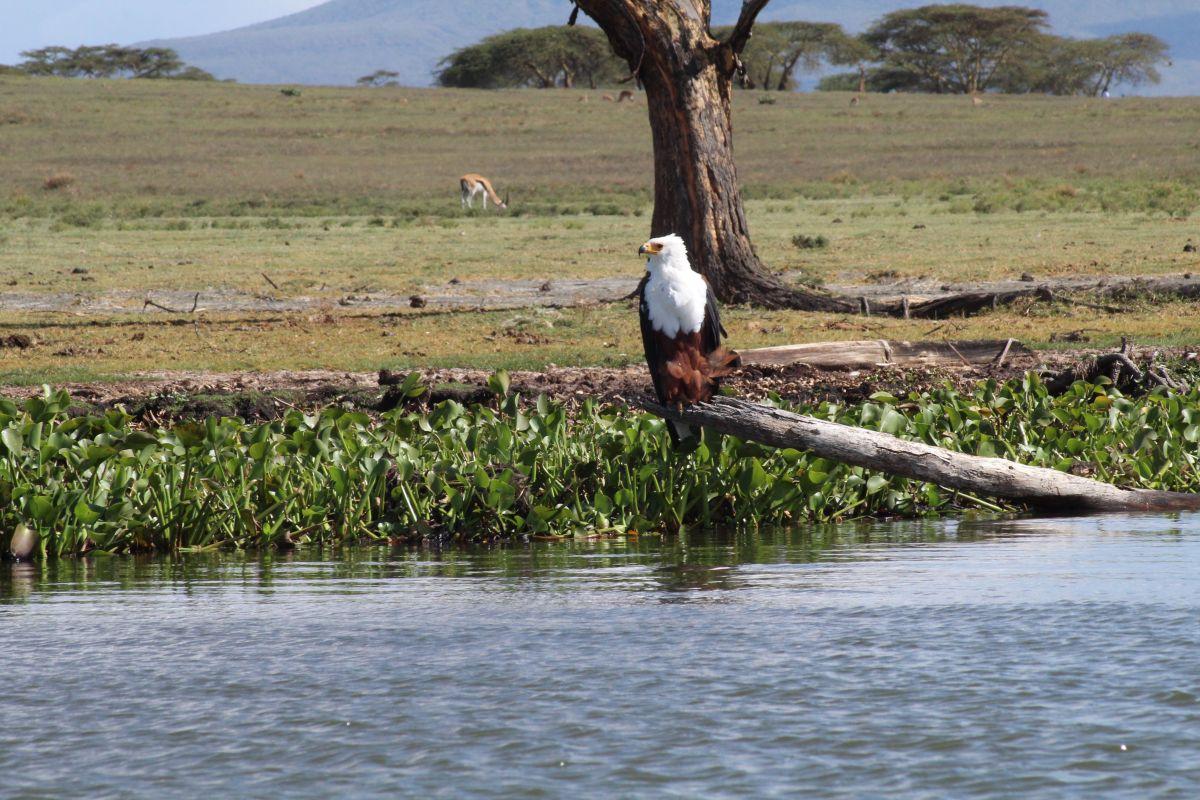
The Ultimate Birding Safari Guide to Kenya: 1,100 Species Waiting for You
Kenya hosts over 1,100 bird species, more than Europe and North America combined. From the flamingo-lined shores of Lake Nakuru to the arid endemics of Samburu, here is everything you need to plan a world-class birding safari.
July 2026
The Ultimate Safari Packing List: What to Bring and What to Leave Behind
Packing for an African safari balances practicality with comfort. From neutral-colored layers to camera gear, binoculars and sunscreen, here is our complete packing list based on years of guiding.
June 2025